
International Journal of
Reproductive Biomedicine
Fri, Nov 27, 2026
[Archive]
Volume 24, Issue 9 (September 2026)
Int J Reprod BioMed. 2026, 24(9): 755-780 |
Back to browse issues page




Download citation:
BibTeX | RIS | EndNote | Medlars | ProCite | Reference Manager | RefWorks
Send citation to:


BibTeX | RIS | EndNote | Medlars | ProCite | Reference Manager | RefWorks
Send citation to:
Mehrabi R, Bagherzadeh Z, Akbari S, Askari F. Effectiveness of mobile applications in pregnancy care: An umbrella review of systematic reviews and meta-analyses. , Int J Reprod BioMed.. 2026; 24 (9) :755-780
URL: http://ijrm.ir/article-1-3822-en.html
URL: http://ijrm.ir/article-1-3822-en.html

1- Department of Medical Information Sciences, Social Development and Health Promotion Research Center, Gonabad University of Medical Sciences, Gonabad, Iran.
2- Student Research Committee, Department of Midwifery, School of Medicine, Gonabad University of Medical Sciences, Gonabad, Iran.
3- Department of Midwifery, School of Medicine, Reproductive Health and Population Research Center, Gonabad University of Medical Sciences, Gonabad, Iran. ,faribaaskari10@yahoo.com; askari.f@gmu.ac.ir
2- Student Research Committee, Department of Midwifery, School of Medicine, Gonabad University of Medical Sciences, Gonabad, Iran.
3- Department of Midwifery, School of Medicine, Reproductive Health and Population Research Center, Gonabad University of Medical Sciences, Gonabad, Iran. ,
Full-Text [PDF 487 kb]
(250 Downloads)
| Abstract (HTML) (374 Views)
2.4. Quality assessment and risk of bias
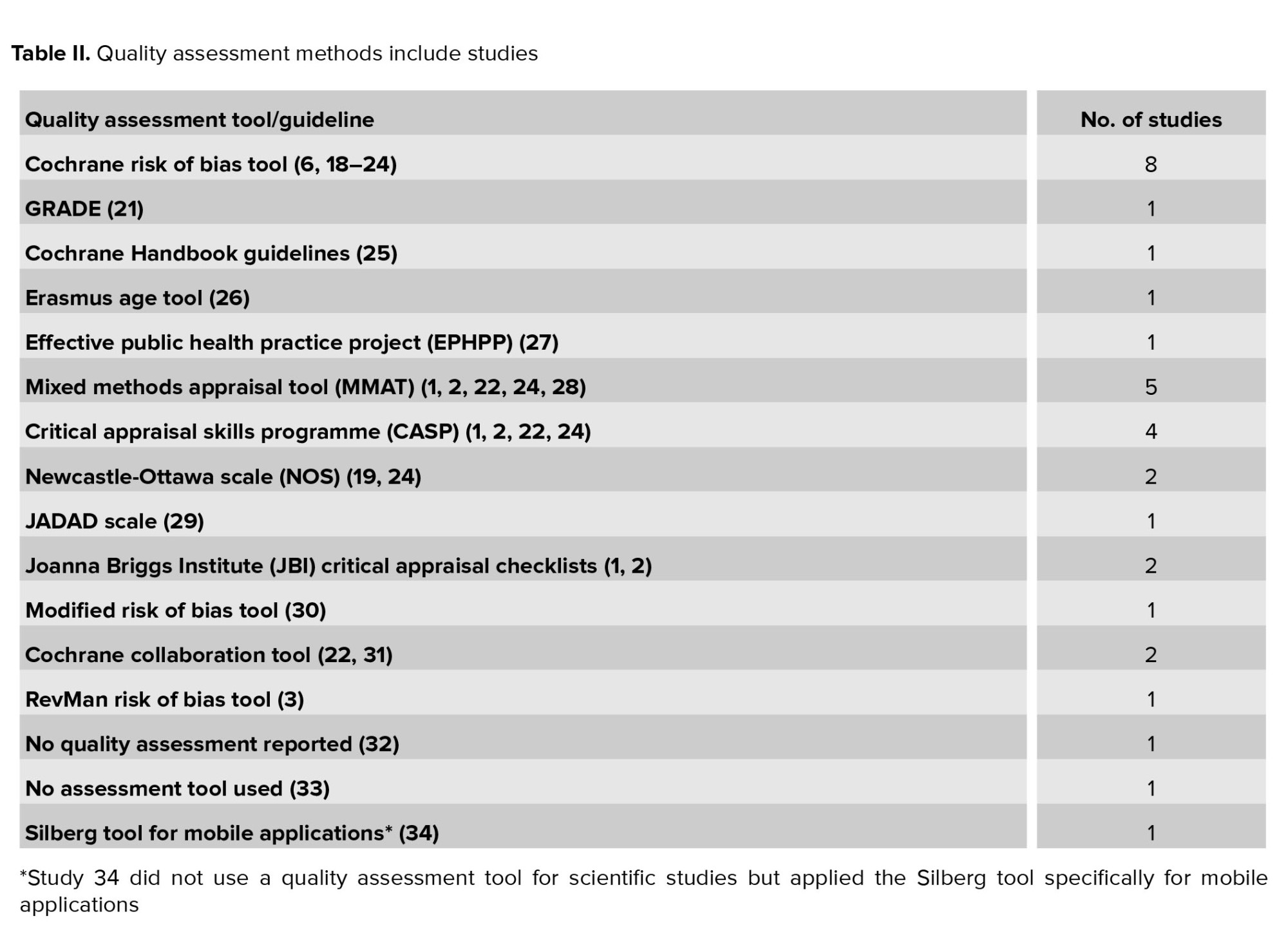
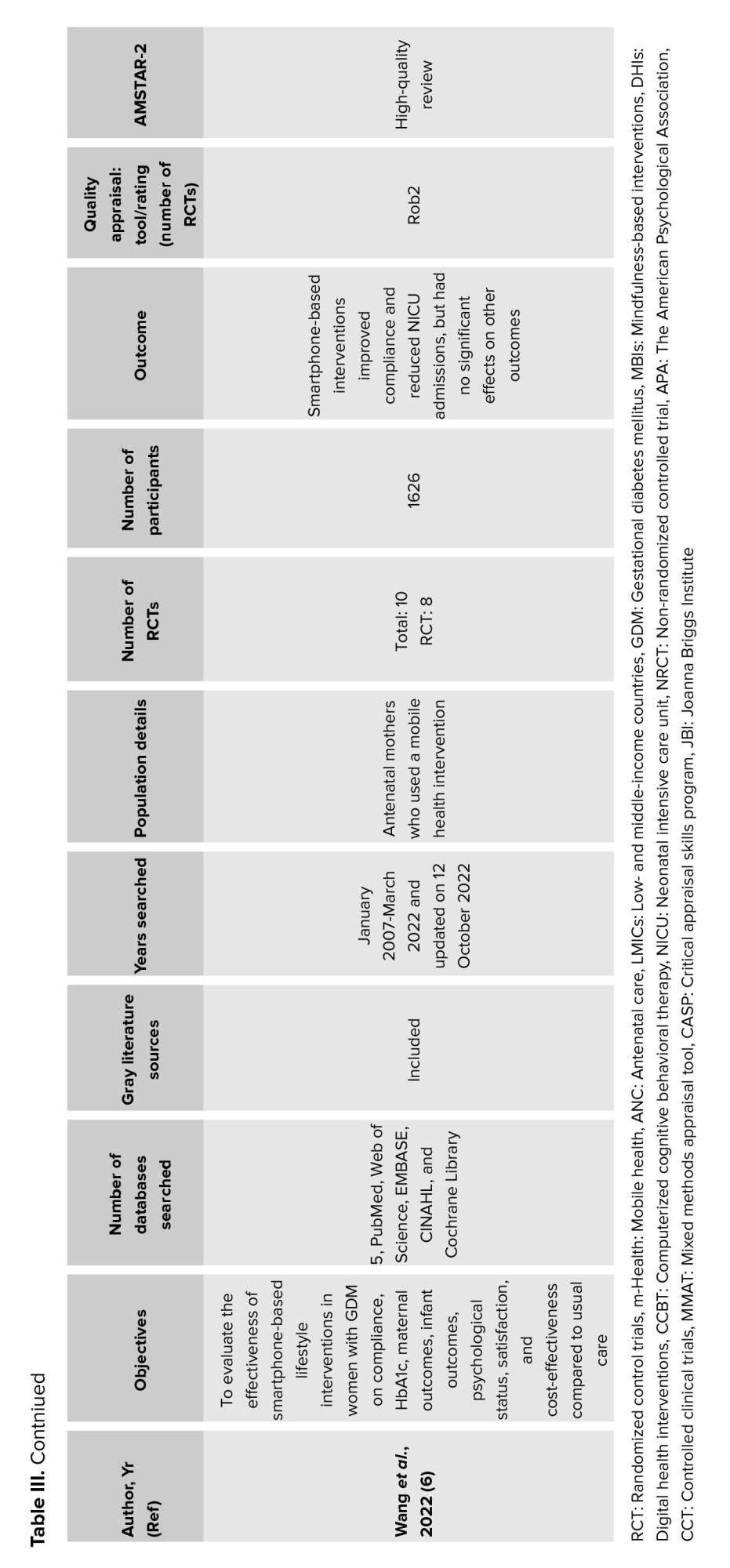
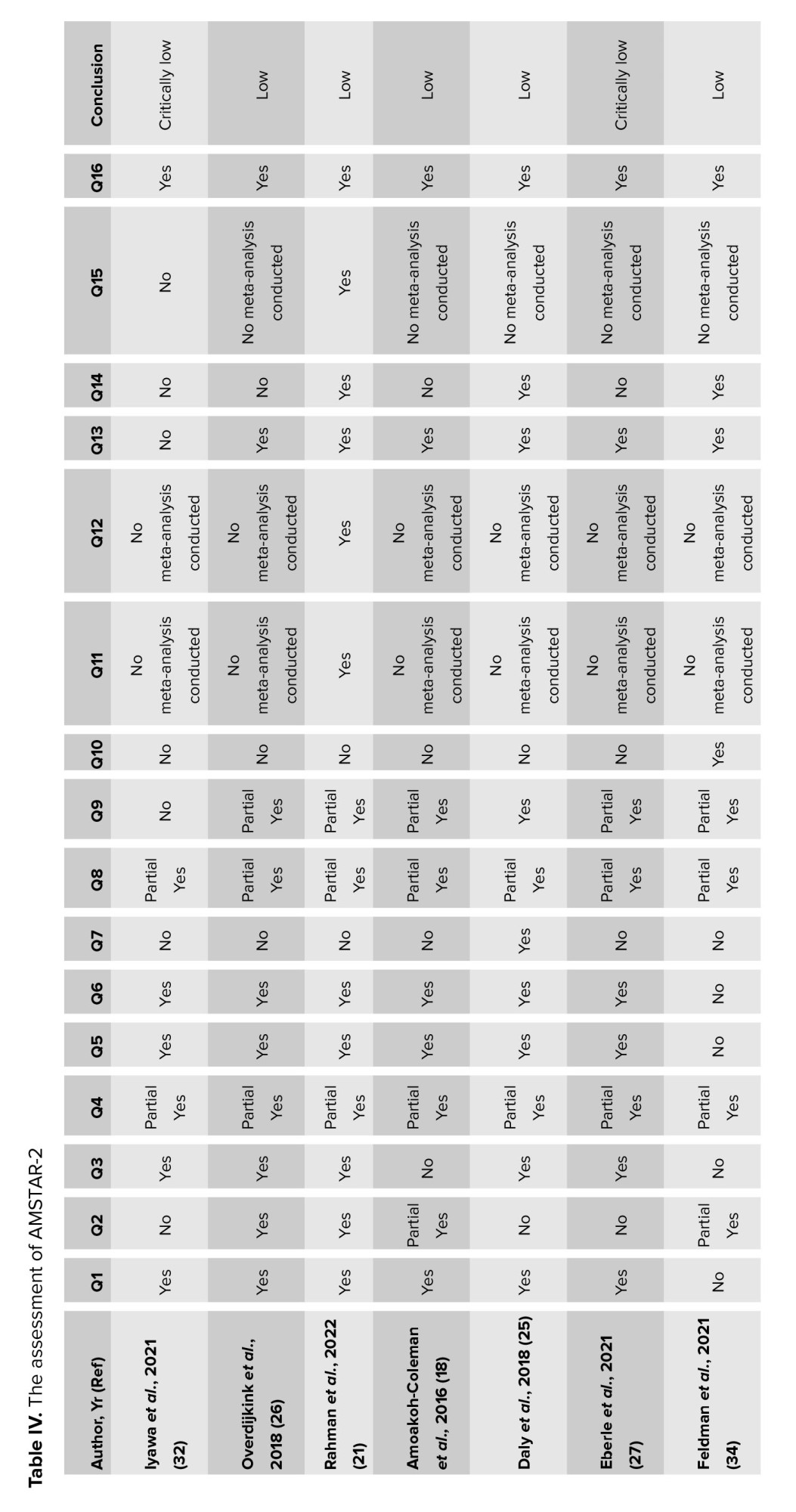
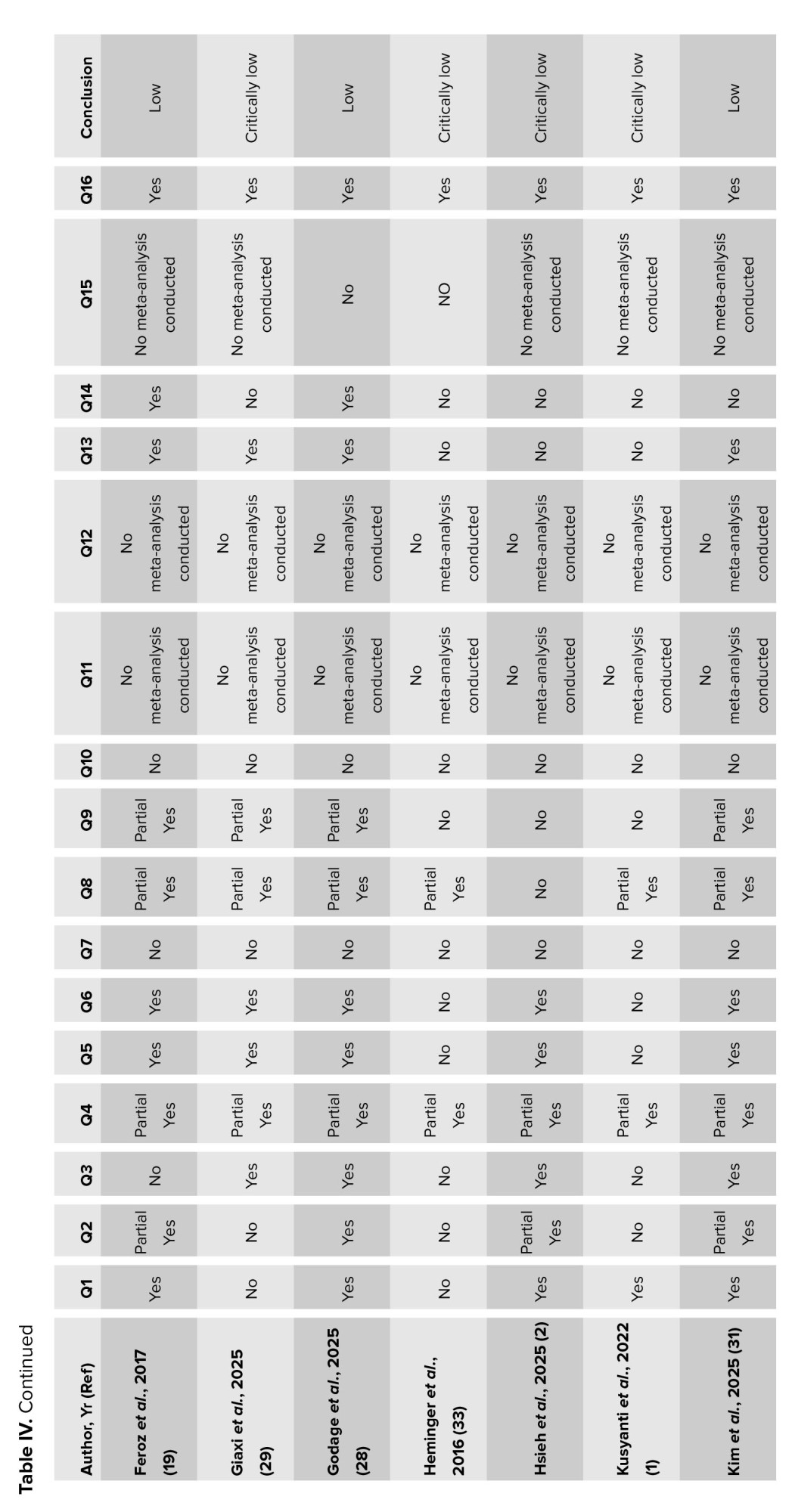
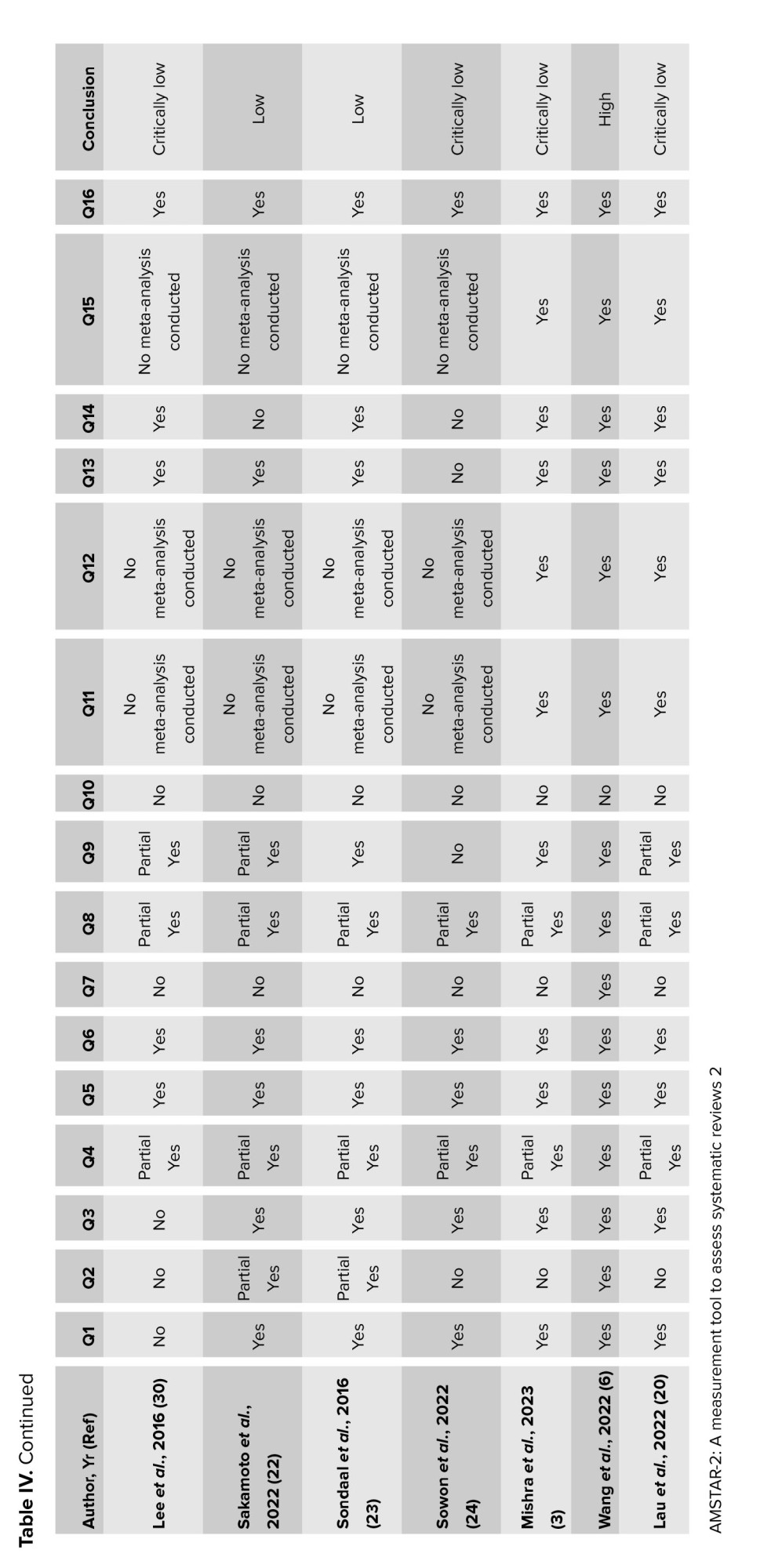
Given the study type, the methodological quality of the eligible articles was assessed using a measurement tool to assess systematic reviews (AMSTAR 2) checklist for systematic reviews. The AMSTAR 2 quality assessment checklist is available at https://amstar.ca/Amstar_Checklist.php and consists of 16 items. Among these, items Q2, Q4, Q7, Q9, Q11, Q13, and Q15 were considered “critical domains”. Compliance with each item was evaluated using 3 options: “Yes”, “Partial Yes”, or “No”. According to the AMSTAR 2 guidelines, systematic reviews and meta-analyses are classified into 4 quality levels: high quality (non-compliance in at most one non-critical item), moderate quality (non-compliance in more than one non-critical item), low quality (non-compliance in one critical item), and critically low quality (non-compliance in more than one critical item). Any disagreements were resolved through discussion with the other authors (17) (Table II).
2.5. Data extraction and synthesis
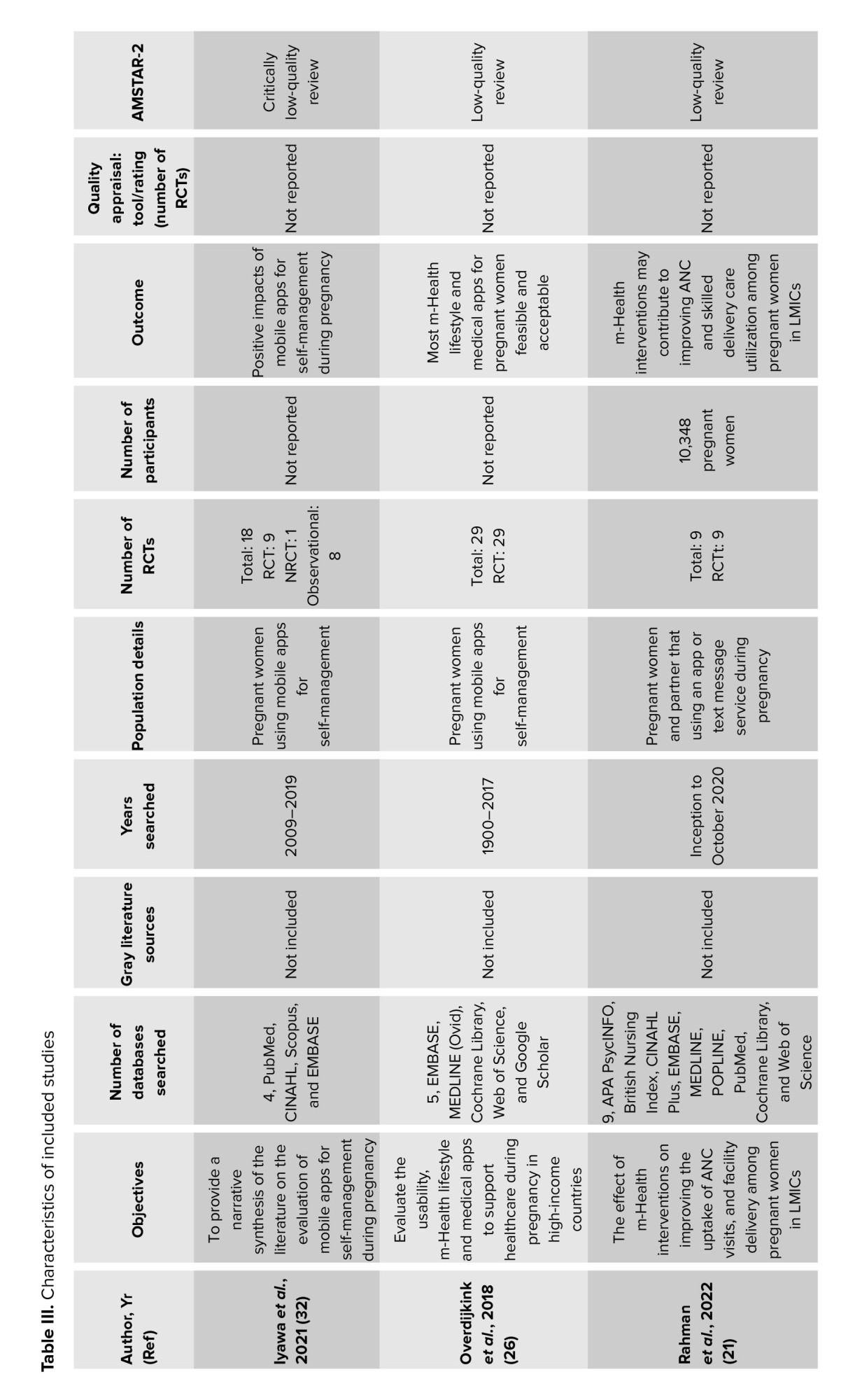
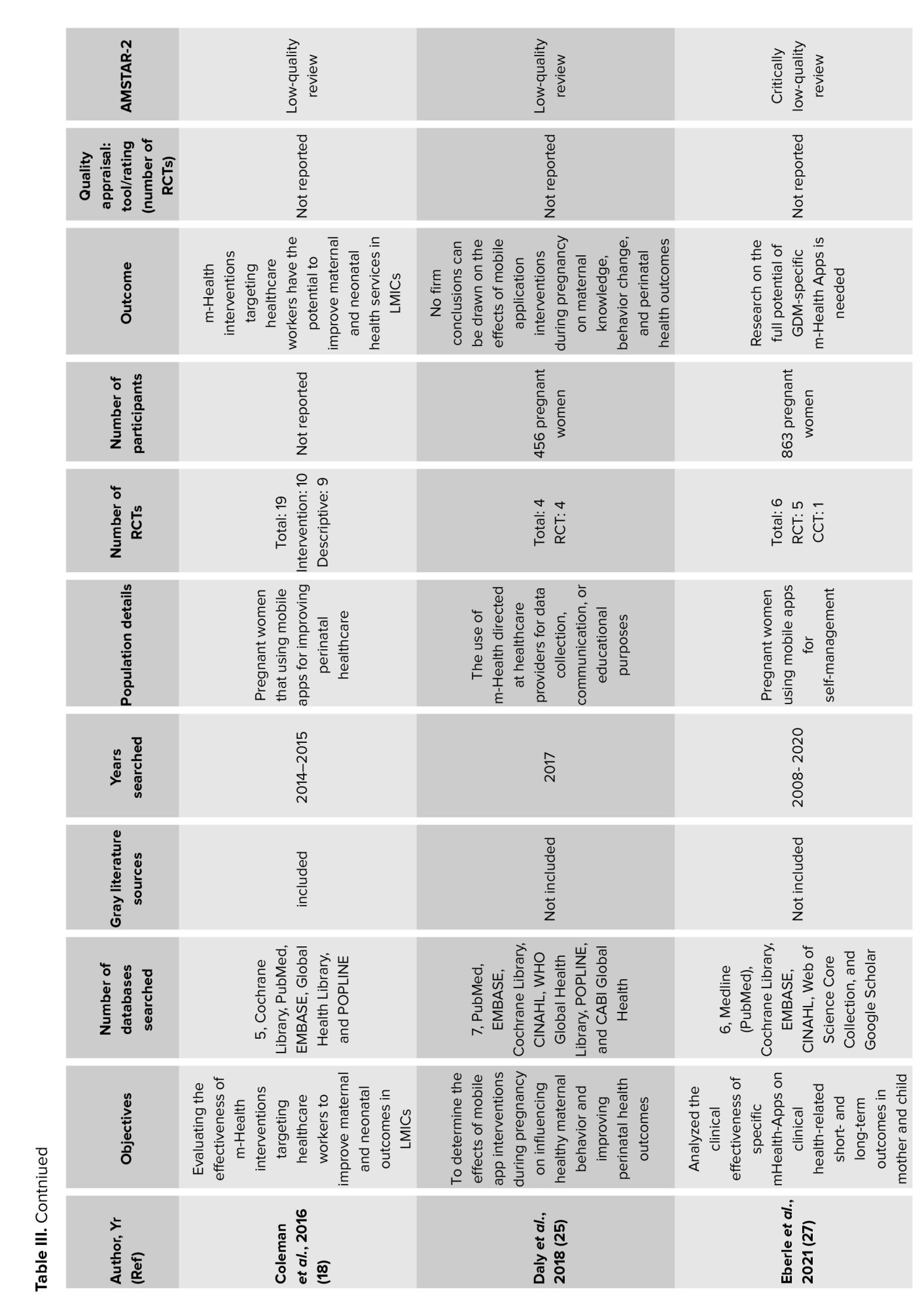
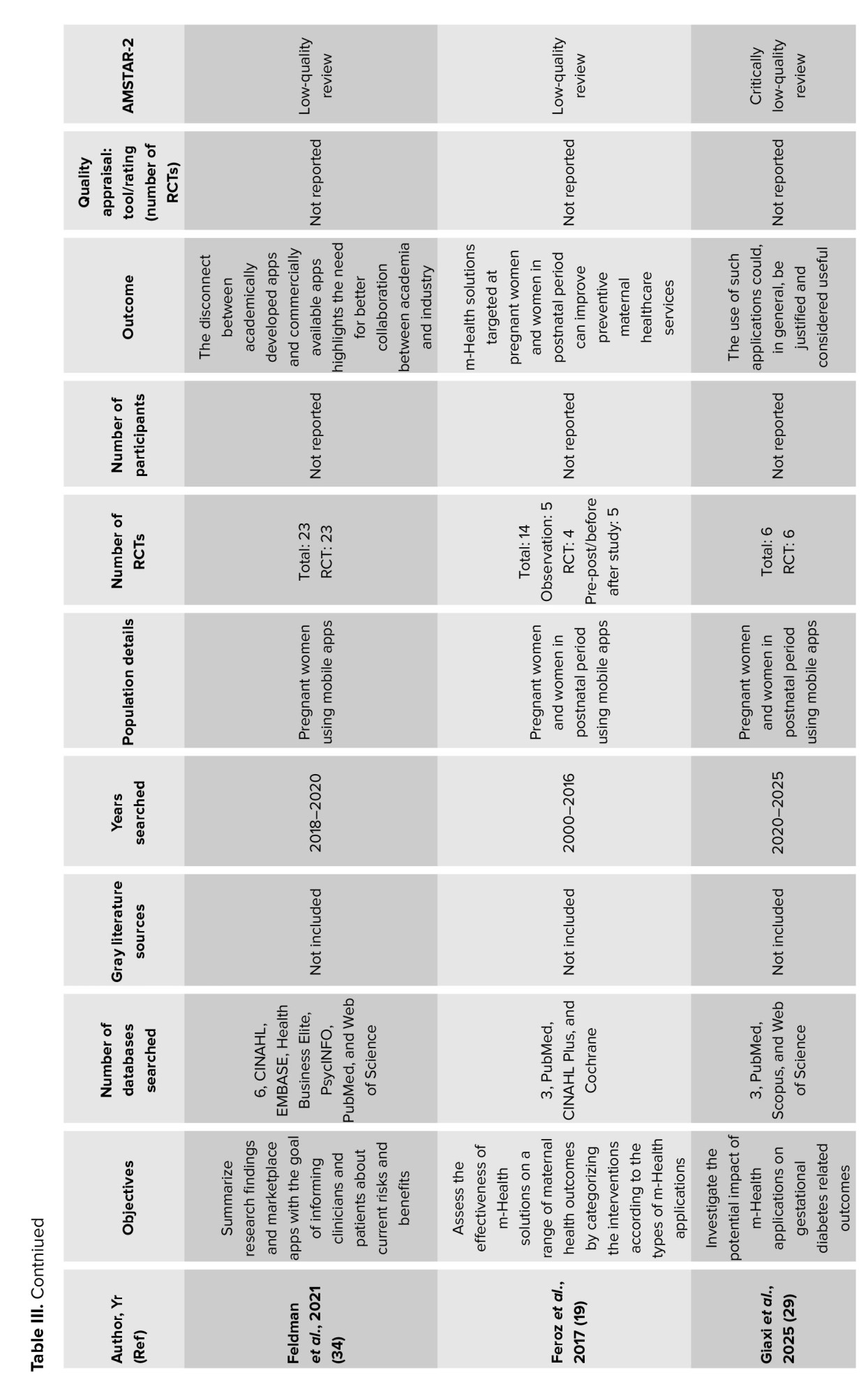
Data extraction was conducted across 2 main areas: search strategy and inclusion criteria, characteristics of the included studies, and analysis. Accordingly, details of the included studies were extracted, including the author’s name, year of publication, study objectives, number of databases searched, search of gray literature, search timeframe, participant characteristics, number of randomized clinical trials (RCTs), total number of participants, outcomes, quality assessment tools, and AMSTAR 2 quality assessment scores.
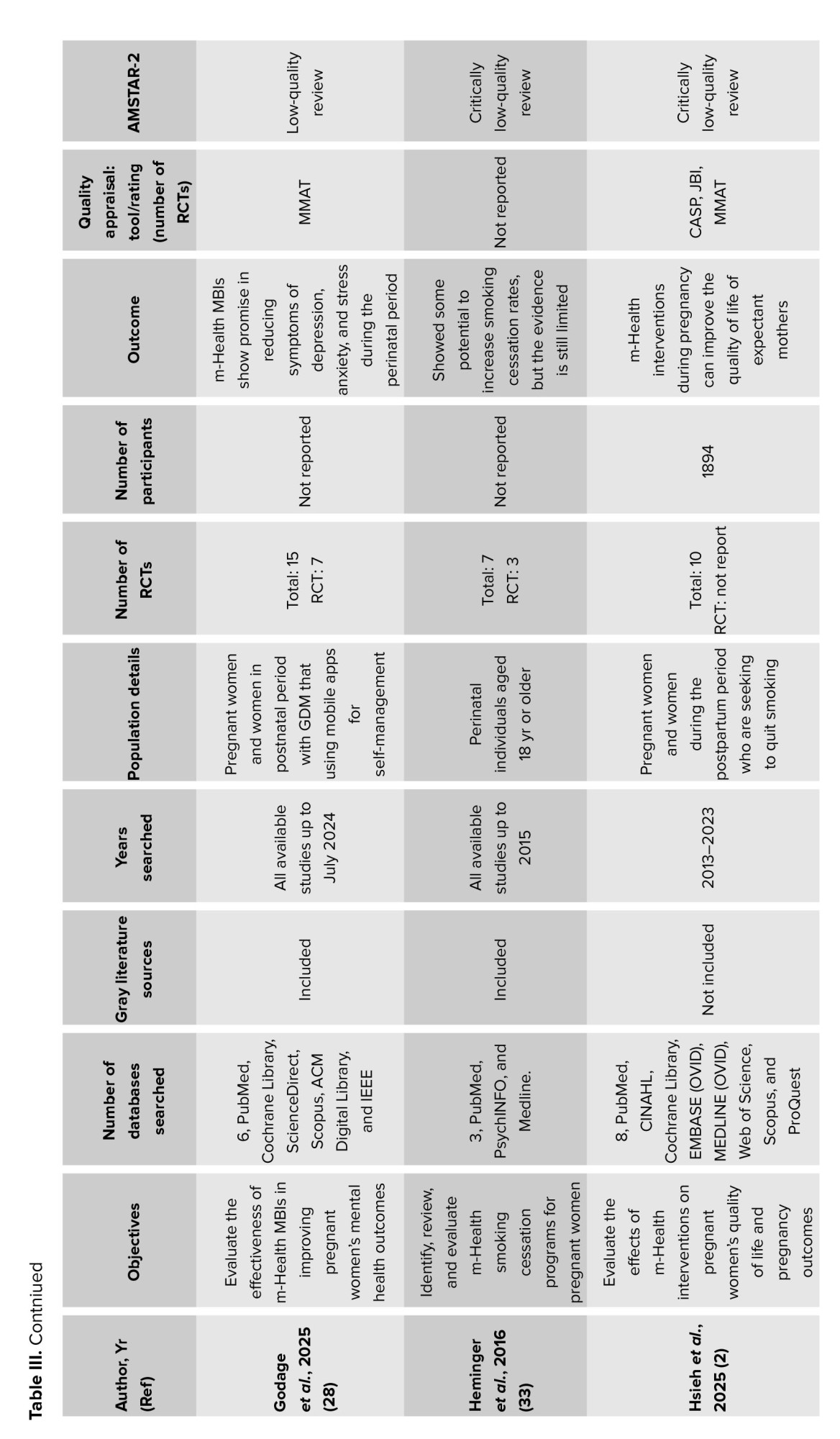
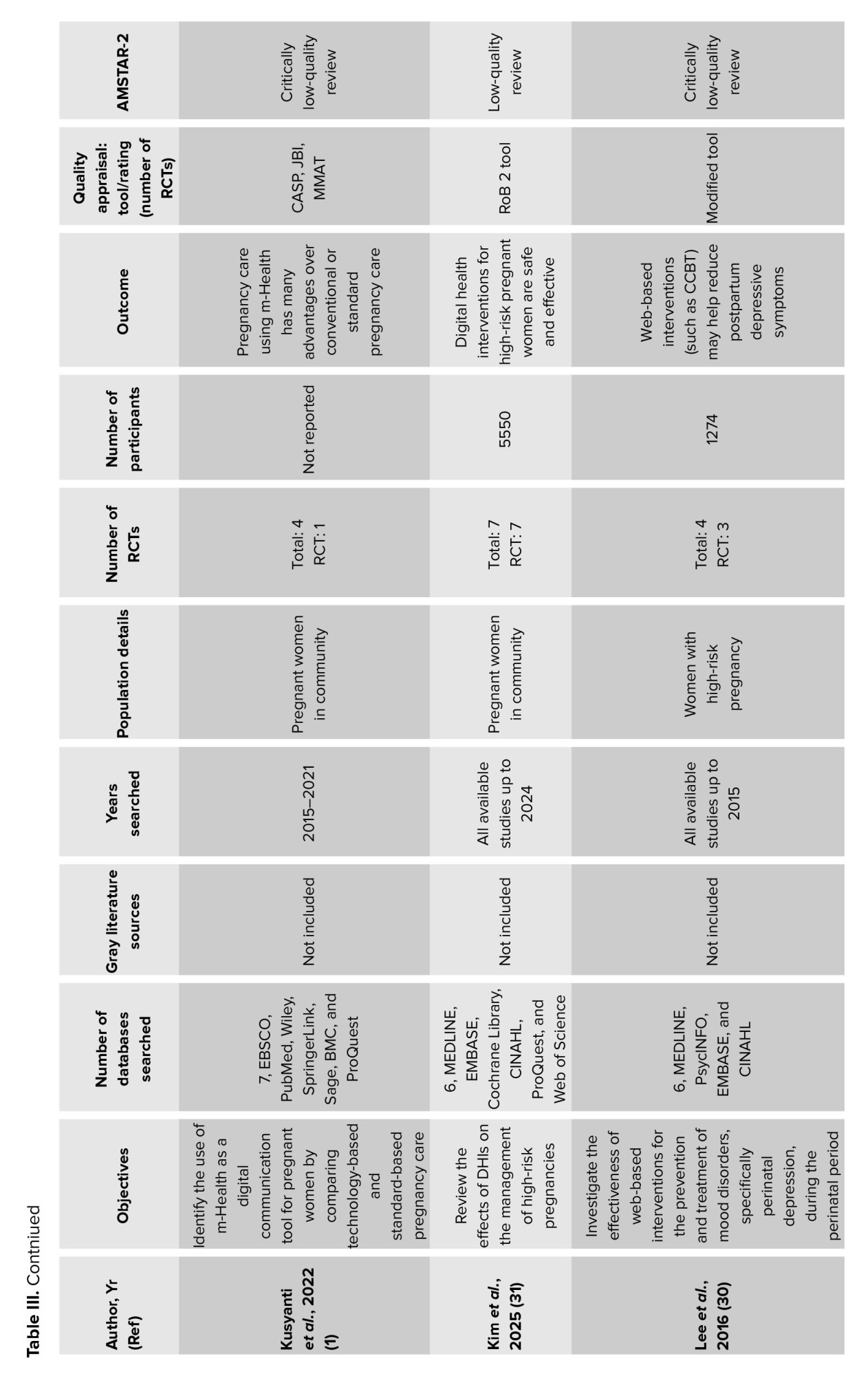
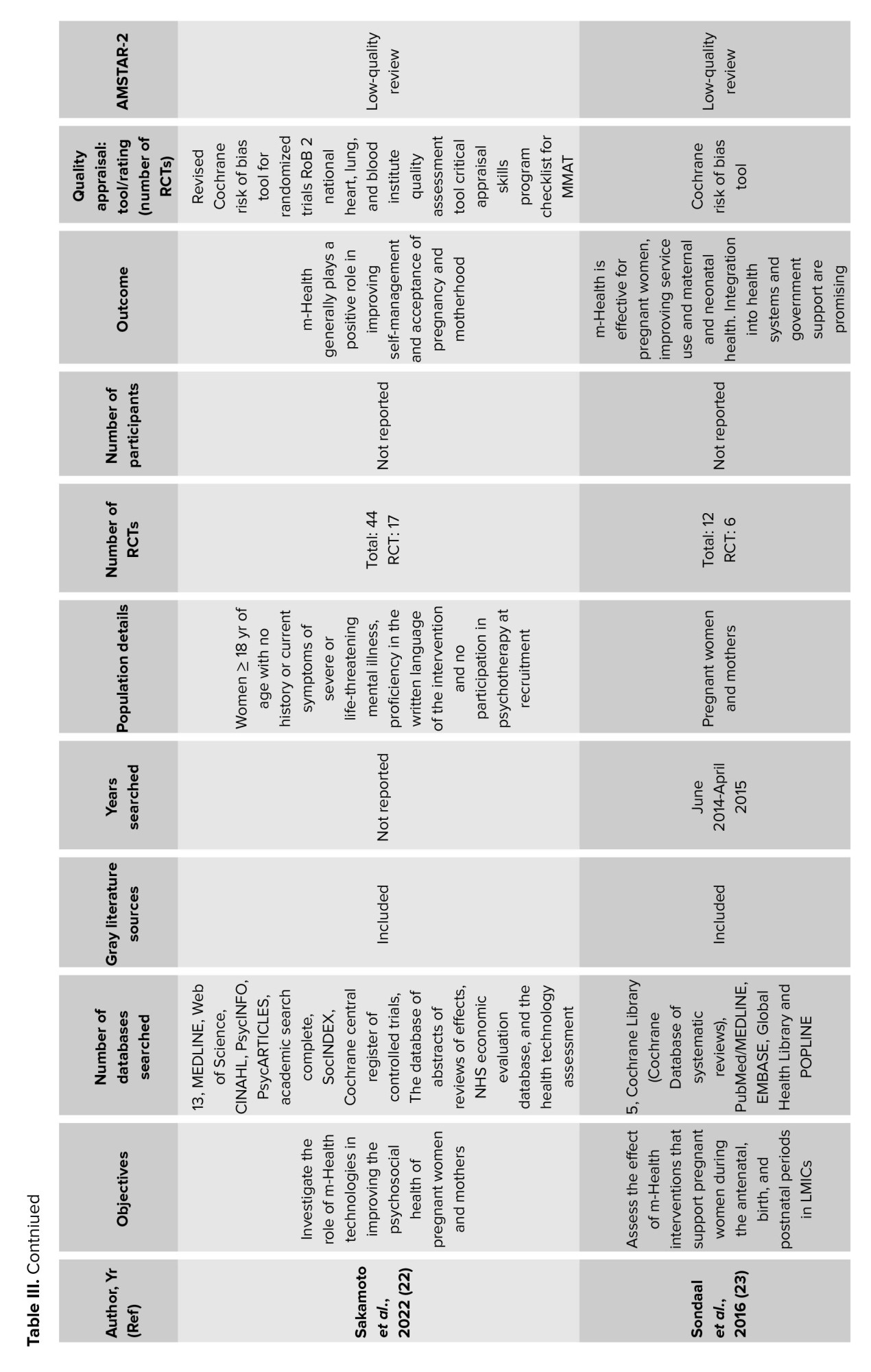
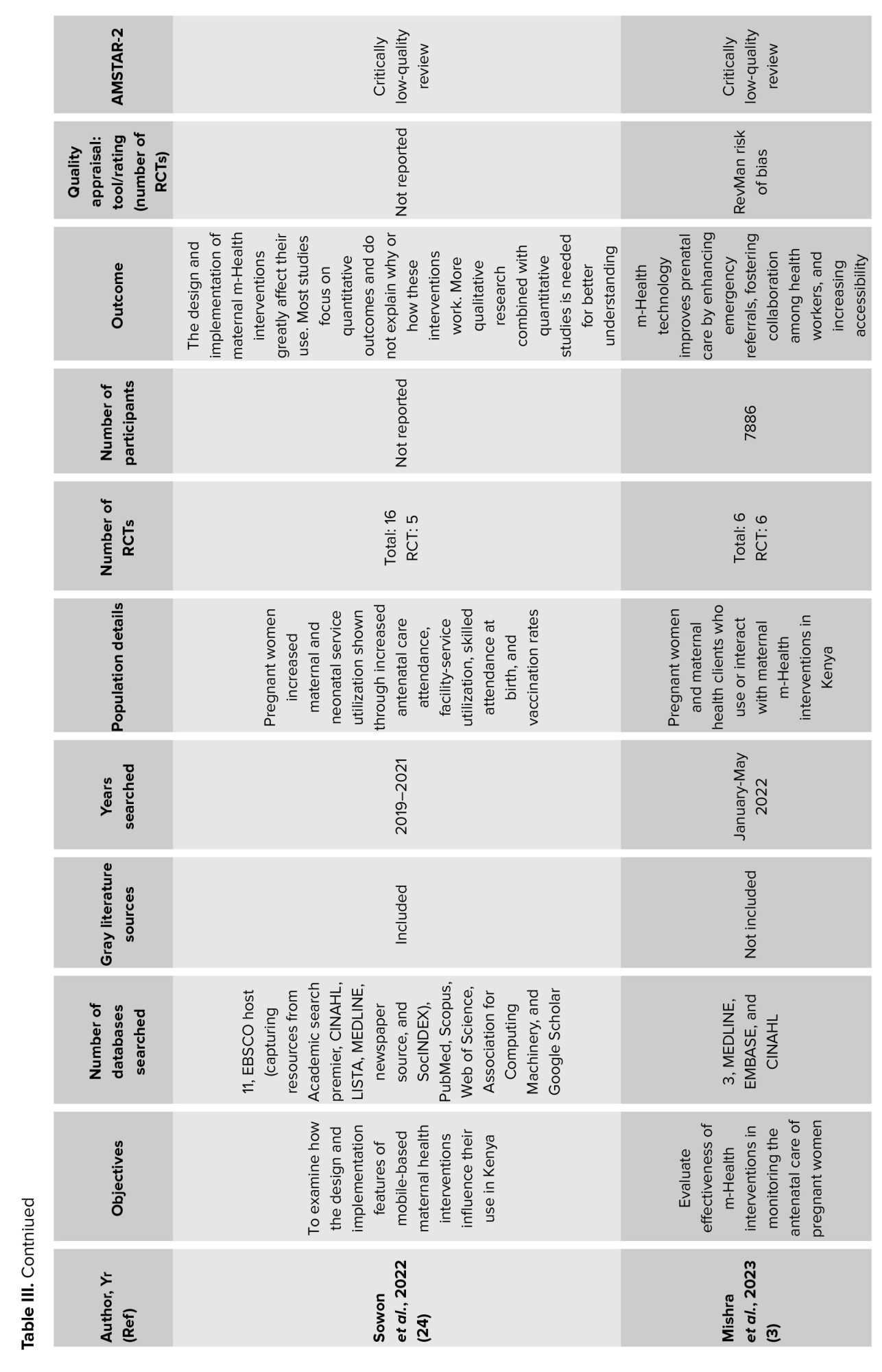
Table III provides a summary of the extracted information from the included studies. The results of included systematic reviews and meta-analyses were synthesized narratively, with key findings, effect sizes, and methodological quality summarized in tables; overlap between reviews was assessed, and critical appraisal was conducted using the AMSTAR 2 tool (Table IV).
3. Results
3.1. Search and study selection
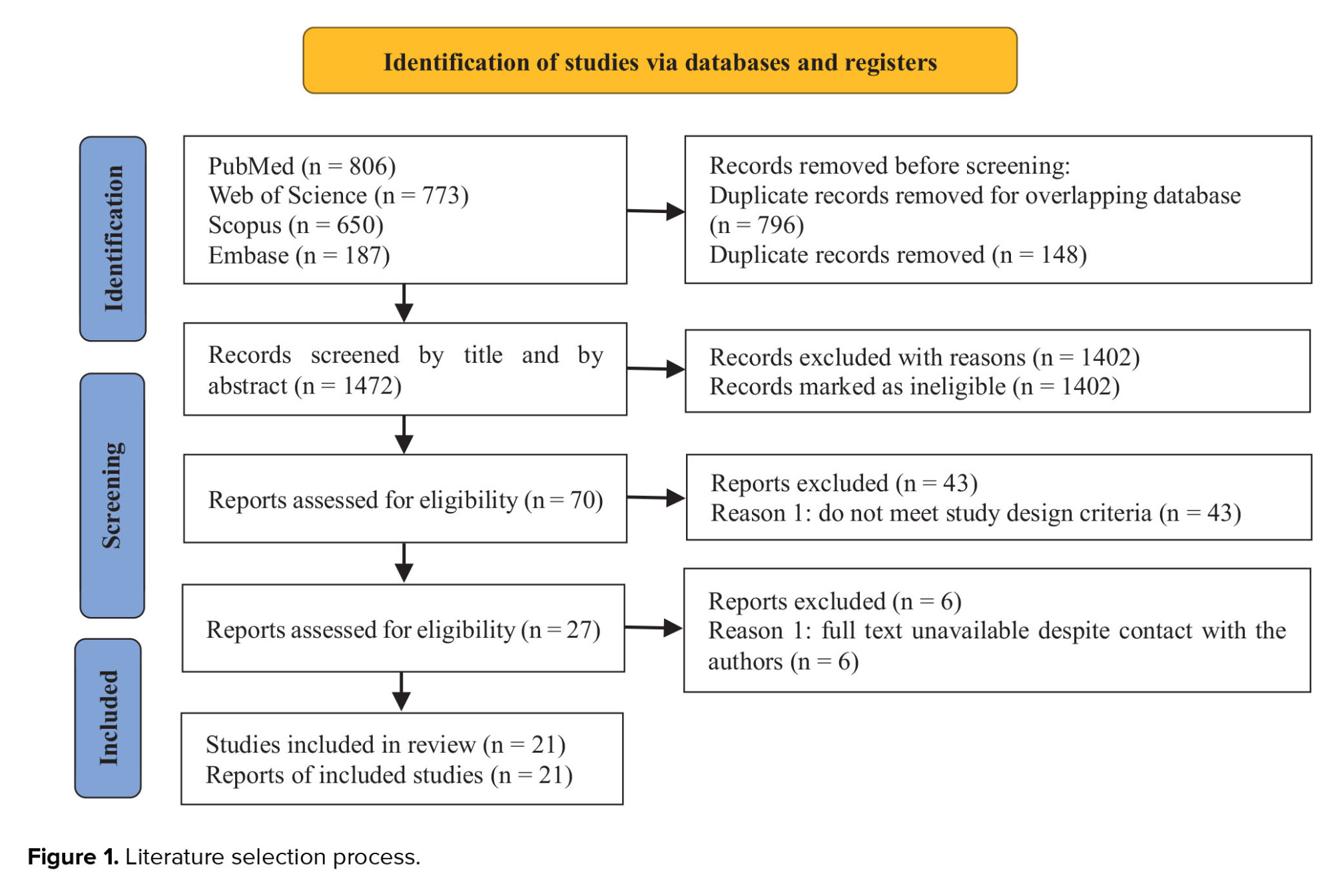
Based on the predefined search strategy, a total of 80 articles were initially identified. After removing duplicates and screening titles, abstracts, and full texts, 21 articles were ultimately included in the study. In total, 21 systematic reviews and/or meta-analyses were selected for a more comprehensive analysis. Further details and the screening process are illustrated in the PRISMA flowchart (Figure 1).
3.2. Characteristics of included systematic reviews/meta-analyses
A total of 21 included studies were published between 2016 and 2025. Sample sizes ranged from 456-10,348 participants, and the total number of RCTs included across these studies was 180. These studies primarily focused on maternal and child health and examined the impact of mobile applications on various aspects of pregnancy health, including clinical, behavioral, psychological, and structural outcomes (Table III).
Most of the included systematic reviews and meta-analyses provided tools for assessing methodological quality and risk of bias. Specifically quality assessment methods varied substantially across the included studies.
The cochrane risk of bias tool was the most frequently used instrument (8 studies), followed by the mixed methods appraisal tool (5 studies) and the critical appraisal skills programme (4 studies). Other approaches included the Newcastle-Ottawa scale, JBI critical appraisal checklists, Cochrane collaboration tool, GRADE, and several study-specific or modified tools. 3 studies did not report or conduct a conventional quality assessment, while one study assessed a mobile application using the Silberg tool rather than evaluating the quality of the scientific study itself (Table II).
3.3. Methodological quality assessment (AMSTAR-2)
The methodological quality of the 21 systematic reviews included in this umbrella review was evaluated using the AMSTAR-2 tool. Of the 21 studies assessed, 10 studies (1-3, 6, 24, 27, 29, 30, 32, 33) were rated as critically low quality, and 10 studies (18, 19, 21-23, 25, 26, 28, 31, 34) were rated as low quality. One study (20) was classified as high quality.
The main reasons for low or critically low quality were as follows:
4. Discussion

Full-Text: (57 Views)
1. Introduction
The health status of pregnant women is a key indicator for assessing a nation’s overall health and a fundamental component of development and quality of life (1). The low parity rate, alongside the global decline in fertility, heightens the risk of complications and diminishes women’s quality of life. Therefore, healthcare providers must adopt preventive approaches to preserve mothers’ well-being (2). Despite global efforts, maternal mortality remains concerning in low- and middle-income countries due to economic constraints and limited healthcare access (3). Continuous access to high-quality prenatal and postpartum care is essential for reducing mortality and improving mothers’ experiences (4). As the intensity of high-risk factors increases, maternal care systems must dynamically adapt to the rising burden of risks associated with demographic changes (5). Current management models focus on lifestyle interventions, recommended as a first-line approach due to their low cost and scalability (6). Digital health has emerged as a crucial tool in maternal care, demonstrating positive outcomes and high acceptance among patients and providers (7). Given the widespread penetration of smartphones, mobile applications (software programs designed for smartphones or tablets to support pregnancy care through education, self-monitoring, reminders, and lifestyle guidance) have significant potential to enhance behavior-change interventions by delivering personalized messages through real-time assessments (8). Primiparous and educated women frequently use the internet to seek pregnancy-related information, making the quality of these digital sources vital (9). Consequently, mobile applications serve as complementary tools for prenatal care and can enhance healthcare personnel activities (10). Since pregnancy apps enable self-directed access to guidance outside clinical settings, the American College of Obstetricians and Gynecologists considers m-Health an effective supplement to obstetric care (11). However, many free apps lack scientific backing and theoretical foundations, which is critical for lifestyle-related information (12). Furthermore, while m-Health holds promise for managing conditions like hypertension by reducing visits, effectiveness is often limited by low digital literacy (13). Beyond physical health, mobile applications benefit mental health by facilitating self-monitoring and communication, particularly for women with limited access to medical centers (7). Integrating digital technology into perinatal psychotherapy can reduce symptoms of depression and anxiety by overcoming barriers related to time and location (14). Despite the success of m-Health, there remains limited understanding of pregnant women’s perspectives and disparities in digital access influenced by social norms (15). Barriers include inadequate infrastructure, economic constraints, cultural gaps, and security concerns (16).
Given the increasing penetration of smartphones, a comprehensive umbrella review of existing evidence on m-Health interventions can provide a holistic understanding of their effectiveness and limitations. Although several systematic reviews and meta-analyses have evaluated mobile applications in pregnancy care, their findings remain inconsistent and heterogeneous, with variations in reported effectiveness across maternal, neonatal, and behavioral outcomes due to differences in interventions, outcome measures, and methodological quality. Therefore, this umbrella review was conducted to critically synthesize and appraise the available evidence and provide a comprehensive overview of the effectiveness of mobile applications in prenatal care.
2. Materials and Methods
2.1. Search strategy
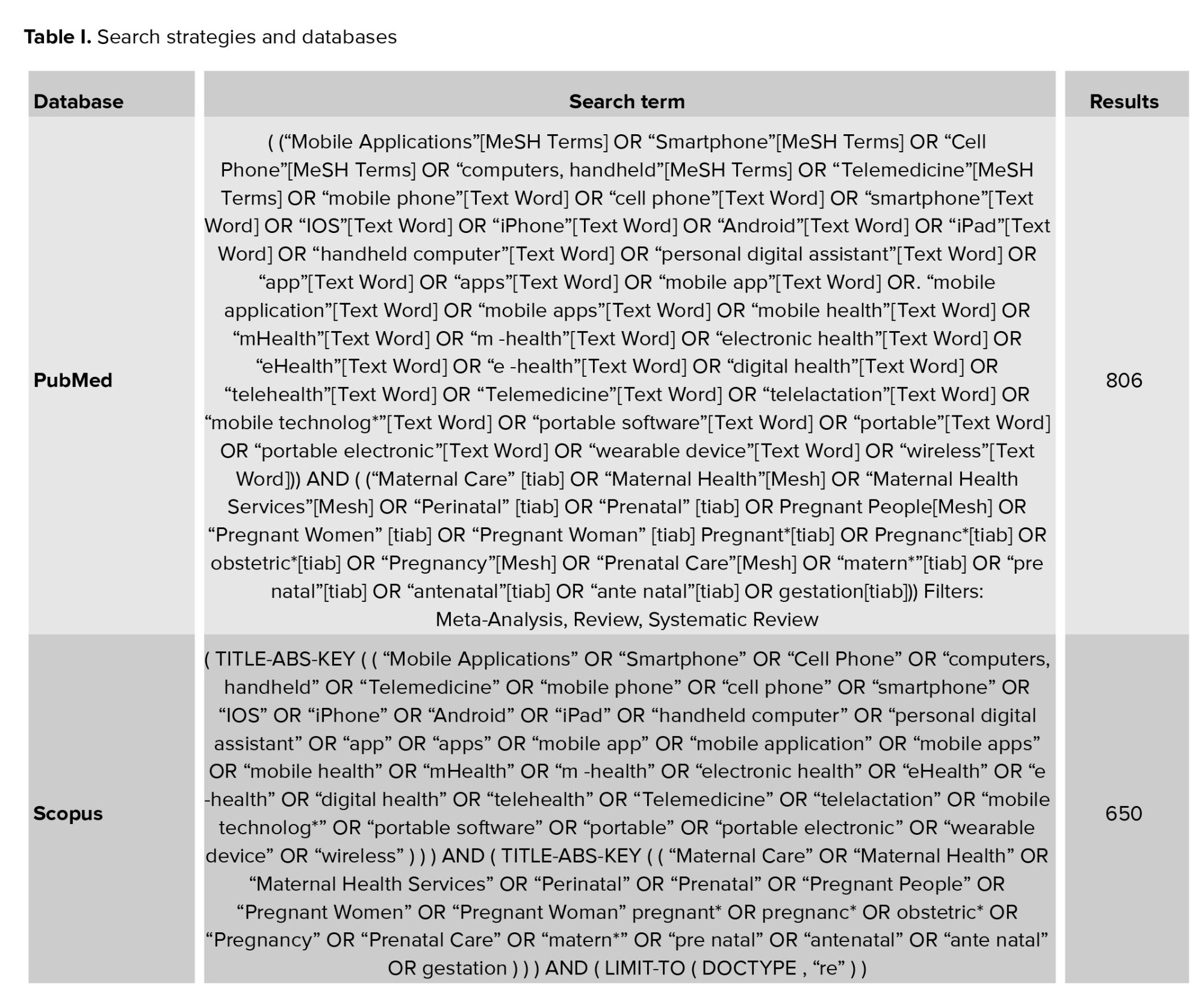
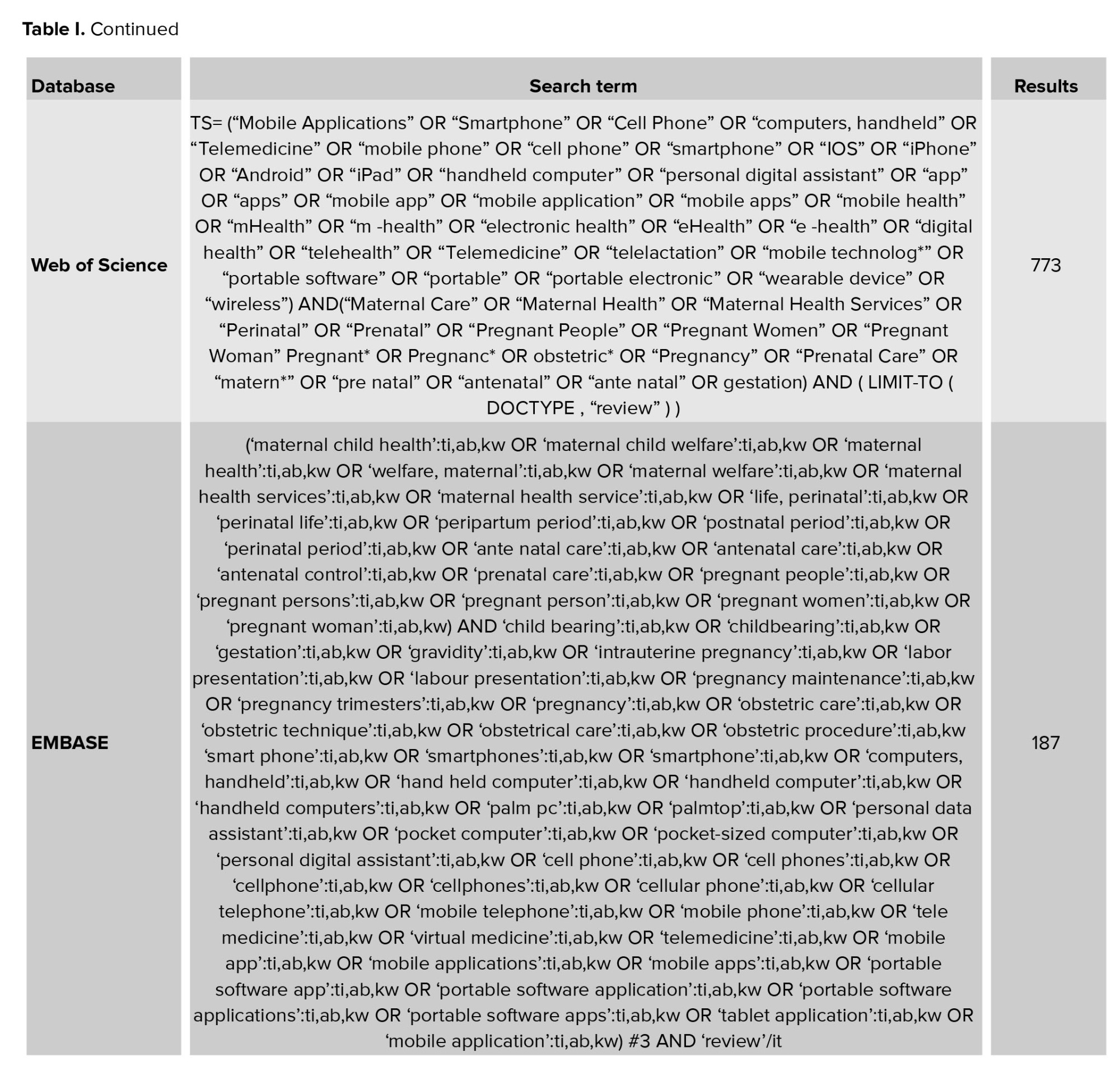
Initially, the PROSPERO database was searched to ensure that no duplicate studies existed. Subsequently, a comprehensive literature search was conducted in major databases, including PubMed, Scopus, EMBASE, and Web of Science, up to May 17, 2025, without language restrictions. The search employed selected key terms derived from medical subject headings (MeSH) and synonyms of the main keywords related to mobile applications and pregnancy (Table I).
2.2. Article selection
A total of 159 articles were retrieved from the database search after removing duplicates and overlapping records across databases. The PRISMA flowchart was used to illustrate the article selection process (Figure 1). The selection process was conducted in 2 screening stages. In the first stage, the retrieved articles were initially screened based on their titles and abstracts. This stage was independently performed by 3 primary researchers, and studies that did not meet the inclusion criteria were excluded. In the second stage, the full texts of the selected articles were reviewed. The full-text review was also conducted independently by the 3 researchers, and the final articles were assessed and ranked based on study type using a quality assessment checklist. Any disagreements regarding the eligibility of a study were resolved through discussion with the other authors during team meetings.
2.3. Inclusion criteria
We used the Population, Intervention, Comparator, Outcomes framework to define the inclusion criteria for the review as follows:
The umbrella review included systematic reviews and meta-analyses focusing on pregnant women at any gestational age. The interventions of interest were mobile applications designed for pregnancy care, including educational programs, self-monitoring tools, reminders, and lifestyle support. Comparators included standard care or alternative interventions reported in the included reviews. Outcome measures encompassed maternal, fetal, and neonatal health, as well as behavioral and process-related outcomes, such as maternal knowledge, self-care behaviors, pregnancy complications (e.g., gestational diabetes, hypertension), antenatal care attendance, labor and delivery outcomes, and neonatal outcomes (e.g., birth weight, preterm birth). This PICO framework guided the synthesis of evidence across the included systematic reviews and meta-analyses, ensuring a comprehensive and structured approach to summarizing the effectiveness of mobile applications in pregnancy care.
Studies meeting the following criteria were considered for inclusion:
The health status of pregnant women is a key indicator for assessing a nation’s overall health and a fundamental component of development and quality of life (1). The low parity rate, alongside the global decline in fertility, heightens the risk of complications and diminishes women’s quality of life. Therefore, healthcare providers must adopt preventive approaches to preserve mothers’ well-being (2). Despite global efforts, maternal mortality remains concerning in low- and middle-income countries due to economic constraints and limited healthcare access (3). Continuous access to high-quality prenatal and postpartum care is essential for reducing mortality and improving mothers’ experiences (4). As the intensity of high-risk factors increases, maternal care systems must dynamically adapt to the rising burden of risks associated with demographic changes (5). Current management models focus on lifestyle interventions, recommended as a first-line approach due to their low cost and scalability (6). Digital health has emerged as a crucial tool in maternal care, demonstrating positive outcomes and high acceptance among patients and providers (7). Given the widespread penetration of smartphones, mobile applications (software programs designed for smartphones or tablets to support pregnancy care through education, self-monitoring, reminders, and lifestyle guidance) have significant potential to enhance behavior-change interventions by delivering personalized messages through real-time assessments (8). Primiparous and educated women frequently use the internet to seek pregnancy-related information, making the quality of these digital sources vital (9). Consequently, mobile applications serve as complementary tools for prenatal care and can enhance healthcare personnel activities (10). Since pregnancy apps enable self-directed access to guidance outside clinical settings, the American College of Obstetricians and Gynecologists considers m-Health an effective supplement to obstetric care (11). However, many free apps lack scientific backing and theoretical foundations, which is critical for lifestyle-related information (12). Furthermore, while m-Health holds promise for managing conditions like hypertension by reducing visits, effectiveness is often limited by low digital literacy (13). Beyond physical health, mobile applications benefit mental health by facilitating self-monitoring and communication, particularly for women with limited access to medical centers (7). Integrating digital technology into perinatal psychotherapy can reduce symptoms of depression and anxiety by overcoming barriers related to time and location (14). Despite the success of m-Health, there remains limited understanding of pregnant women’s perspectives and disparities in digital access influenced by social norms (15). Barriers include inadequate infrastructure, economic constraints, cultural gaps, and security concerns (16).
Given the increasing penetration of smartphones, a comprehensive umbrella review of existing evidence on m-Health interventions can provide a holistic understanding of their effectiveness and limitations. Although several systematic reviews and meta-analyses have evaluated mobile applications in pregnancy care, their findings remain inconsistent and heterogeneous, with variations in reported effectiveness across maternal, neonatal, and behavioral outcomes due to differences in interventions, outcome measures, and methodological quality. Therefore, this umbrella review was conducted to critically synthesize and appraise the available evidence and provide a comprehensive overview of the effectiveness of mobile applications in prenatal care.
2. Materials and Methods
2.1. Search strategy
Initially, the PROSPERO database was searched to ensure that no duplicate studies existed. Subsequently, a comprehensive literature search was conducted in major databases, including PubMed, Scopus, EMBASE, and Web of Science, up to May 17, 2025, without language restrictions. The search employed selected key terms derived from medical subject headings (MeSH) and synonyms of the main keywords related to mobile applications and pregnancy (Table I).
2.2. Article selection
A total of 159 articles were retrieved from the database search after removing duplicates and overlapping records across databases. The PRISMA flowchart was used to illustrate the article selection process (Figure 1). The selection process was conducted in 2 screening stages. In the first stage, the retrieved articles were initially screened based on their titles and abstracts. This stage was independently performed by 3 primary researchers, and studies that did not meet the inclusion criteria were excluded. In the second stage, the full texts of the selected articles were reviewed. The full-text review was also conducted independently by the 3 researchers, and the final articles were assessed and ranked based on study type using a quality assessment checklist. Any disagreements regarding the eligibility of a study were resolved through discussion with the other authors during team meetings.
2.3. Inclusion criteria
We used the Population, Intervention, Comparator, Outcomes framework to define the inclusion criteria for the review as follows:
The umbrella review included systematic reviews and meta-analyses focusing on pregnant women at any gestational age. The interventions of interest were mobile applications designed for pregnancy care, including educational programs, self-monitoring tools, reminders, and lifestyle support. Comparators included standard care or alternative interventions reported in the included reviews. Outcome measures encompassed maternal, fetal, and neonatal health, as well as behavioral and process-related outcomes, such as maternal knowledge, self-care behaviors, pregnancy complications (e.g., gestational diabetes, hypertension), antenatal care attendance, labor and delivery outcomes, and neonatal outcomes (e.g., birth weight, preterm birth). This PICO framework guided the synthesis of evidence across the included systematic reviews and meta-analyses, ensuring a comprehensive and structured approach to summarizing the effectiveness of mobile applications in pregnancy care.
Studies meeting the following criteria were considered for inclusion:
- Systematic reviews or meta-analyses.
- Interventions examining the impact of mobile applications during pregnancy.
- Study designs including clinical trials.
- Study participants were pregnant women.
Based on these criteria, the following types of studies were excluded:
- Abstracts or conference proceedings.
- Book chapters.
- Other types of review articles, except for systematic reviews and meta-analyses.
2.4. Quality assessment and risk of bias
Given the study type, the methodological quality of the eligible articles was assessed using a measurement tool to assess systematic reviews (AMSTAR 2) checklist for systematic reviews. The AMSTAR 2 quality assessment checklist is available at https://amstar.ca/Amstar_Checklist.php and consists of 16 items. Among these, items Q2, Q4, Q7, Q9, Q11, Q13, and Q15 were considered “critical domains”. Compliance with each item was evaluated using 3 options: “Yes”, “Partial Yes”, or “No”. According to the AMSTAR 2 guidelines, systematic reviews and meta-analyses are classified into 4 quality levels: high quality (non-compliance in at most one non-critical item), moderate quality (non-compliance in more than one non-critical item), low quality (non-compliance in one critical item), and critically low quality (non-compliance in more than one critical item). Any disagreements were resolved through discussion with the other authors (17) (Table II).
2.5. Data extraction and synthesis
Data extraction was conducted across 2 main areas: search strategy and inclusion criteria, characteristics of the included studies, and analysis. Accordingly, details of the included studies were extracted, including the author’s name, year of publication, study objectives, number of databases searched, search of gray literature, search timeframe, participant characteristics, number of randomized clinical trials (RCTs), total number of participants, outcomes, quality assessment tools, and AMSTAR 2 quality assessment scores.
Table III provides a summary of the extracted information from the included studies. The results of included systematic reviews and meta-analyses were synthesized narratively, with key findings, effect sizes, and methodological quality summarized in tables; overlap between reviews was assessed, and critical appraisal was conducted using the AMSTAR 2 tool (Table IV).
3. Results
3.1. Search and study selection
Based on the predefined search strategy, a total of 80 articles were initially identified. After removing duplicates and screening titles, abstracts, and full texts, 21 articles were ultimately included in the study. In total, 21 systematic reviews and/or meta-analyses were selected for a more comprehensive analysis. Further details and the screening process are illustrated in the PRISMA flowchart (Figure 1).
3.2. Characteristics of included systematic reviews/meta-analyses
A total of 21 included studies were published between 2016 and 2025. Sample sizes ranged from 456-10,348 participants, and the total number of RCTs included across these studies was 180. These studies primarily focused on maternal and child health and examined the impact of mobile applications on various aspects of pregnancy health, including clinical, behavioral, psychological, and structural outcomes (Table III).
Most of the included systematic reviews and meta-analyses provided tools for assessing methodological quality and risk of bias. Specifically quality assessment methods varied substantially across the included studies.
The cochrane risk of bias tool was the most frequently used instrument (8 studies), followed by the mixed methods appraisal tool (5 studies) and the critical appraisal skills programme (4 studies). Other approaches included the Newcastle-Ottawa scale, JBI critical appraisal checklists, Cochrane collaboration tool, GRADE, and several study-specific or modified tools. 3 studies did not report or conduct a conventional quality assessment, while one study assessed a mobile application using the Silberg tool rather than evaluating the quality of the scientific study itself (Table II).
3.3. Methodological quality assessment (AMSTAR-2)
The methodological quality of the 21 systematic reviews included in this umbrella review was evaluated using the AMSTAR-2 tool. Of the 21 studies assessed, 10 studies (1-3, 6, 24, 27, 29, 30, 32, 33) were rated as critically low quality, and 10 studies (18, 19, 21-23, 25, 26, 28, 31, 34) were rated as low quality. One study (20) was classified as high quality.
The main reasons for low or critically low quality were as follows:
- Critical domains
- None of the studies provided a list of excluded studies with reasons for exclusion.
- None of the studies reported searches of gray literature.
- Most studies did not register or report a study protocol prior to conducting the review.
- In some studies, the search strategy was not fully or transparently reported.
- Non-critical domains
- Funding sources and conflicts of interest were not reported in the included studies.
- In several studies, study selection and data extraction were not performed independently by 2 researchers or were not reported.
Based on these findings, it can be concluded that the methodological quality of the systematic reviews included in this umbrella review was predominantly low or critically low. There is a clear need to improve transparency, comprehensive reporting, and adherence to international standards in the design and conduct of future systematic reviews.
3.4. Positive medical outcomes of using pregnancy apps
Evidence from various studies indicates that the use of pregnancy-related mobile applications can yield positive outcomes across multiple dimensions of maternal and fetal health. One of the most notable effects of these applications is the increased awareness and knowledge among pregnant women regarding topics such as preeclampsia, blood glucose control, and the importance of taking supplements like folic acid during the preconception period (1, 21, 27, 32). This level of awareness can facilitate more informed decision-making and proactive preventive actions.
Additionally, evidence suggests that the use of these applications is associated with increased visits to healthcare facilities and greater engagement of women in prenatal care (18, 21, 32). Such engagement plays a critical role in the early detection of complications and the promotion of maternal and fetal health.
Regarding clinical outcomes, some studies have reported that the use of mobile applications is linked to reduced neonatal intensive care unit admissions, improved nutritional patterns, increased physical activity levels, and lower caloric intake (6, 28, 29).
Other positive effects of these technologies include enhancements in maternal mental health. Reported benefits in this domain include reduced anxiety, improved mood, increased self-efficacy in performing physical activities, and better access to mental health services (20, 28, 31). Furthermore, in low- and middle-income countries, the use of pregnancy mobile applications has contributed to enhancing the effectiveness of prenatal care and has played an important role in mitigating the limitations of healthcare systems (1, 19, 21).
3.5. Neutral or negative outcomes of using pregnancy apps
Despite abundant positive evidence, some studies have reported outcomes with unclear or even negative effectiveness. For instance, in certain cases, no significant effects were observed on indicators such as smoking cessation, healthy dietary patterns, gestational diabetes incidence, maternal weight gain, or type of delivery (29, 32).
Other reported challenges include technical issues, such as poor internet infrastructure, power outages, equipment maintenance problems, and reduced sustained user engagement with the applications over time (18, 29, 32). These factors can negatively impact the effectiveness of digital interventions.
Some studies have highlighted uncertainty regarding improvements in the quality of maternity care in low-income countries, with no significant differences observed in aspects such as the presence of skilled personnel during delivery (21).
Additionally, some users reported that using the applications led to increased discomfort or reduced positive mood, potentially due to overwhelming, anxiety-inducing, or contextually inappropriate information (29).
Finally, the lack of sufficient evidence in certain areas such as the definitive impact of apps on increasing maternal knowledge, facilitating effective behavior changes, and improving perinatal health remains a barrier to drawing conclusive judgments regarding the effectiveness of these tools (25).
3.6. Positive psychological and behavioral outcomes of using pregnancy apps
Various studies have demonstrated that mobile applications play an effective role in enhancing self-management among pregnant women (6, 22, 29, 32). The use of these digital tools has not only been considered feasible and acceptable, but most lifestyle and medical apps designed specifically for pregnant women have also been rated as practical and desirable by users (26).
Another notable finding involves the use of activity-tracking devices during pregnancy, which increased women’s awareness of their daily physical activity. Additionally, in groups receiving m-Health interventions, prenatal care improved significantly, and adherence to health recommendations increased. Digital interventions have also been associated with improvements in mood and energy levels among pregnant women in some cases. Evidence indicates that women using health apps had greater access to mental health services compared to others (32).
Regarding dietary patterns, healthier eating habits were observed among various intervention groups (32). In some instances, control groups consumed more fiber and followed healthier routines. Reductions in caloric intake, improvements in health-related behaviors, and increased physical activity (e.g., step count) were among other positive outcomes of these interventions (29).
Scientific evidence further suggests that digital mindfulness-based interventions (m-Health MBIs) can effectively enhance mental health during pregnancy and postpartum, particularly by reducing stress and anxiety (20, 28, 31). These interventions have also increased maternal awareness and knowledge regarding pregnancy health (1).
Finally, web-based interventions targeting postpartum depression have been shown to improve mood and maternal mental health during the postnatal period (30).
3.7. Challenges and limitations of using mobile applications in prenatal care
Findings indicate that technical issues have affected the use of mobile applications, despite the delivery of useful and reliable information through these programs (32). Therefore, there is an urgent need to establish formal guidelines for certifying the quality of applications prior to their release (26).
One of the major challenges in implementing m-Health interventions relates to technical problems, including mobile network coverage, internet access, electricity supply, and maintenance of mobile devices, which have negatively impacted the performance of these applications (18).
Furthermore, there is a strong need for improved and more effective collaboration between academic institutions and the information technology industry to develop higher-quality and more practical applications (34).
It has also been reported that user engagement with applications decreases over time (29), highlighting the importance of continuous evaluation of the quality and credibility of these programs.
4. Discussion
Evidence from the 21 systematic reviews included in this study indicates that mobile applications can serve as effective complementary tools for promoting maternal health and improving pregnancy- and childbirth-related outcomes. These digital interventions aim to enhance health-promoting behaviors, increase maternal knowledge and self-efficacy, and reduce negative psychological symptoms. Positive outcomes have been reported in areas such as gestational weight management (19, 26, 27, 34), increased physical activity (2, 19, 27, 34), improved dietary patterns (19, 34), adoption of a healthy lifestyle including higher consumption of fruits and vegetables and smoking cessation (26). Moreover, self-management in high-risk pregnancies such as diabetes, preeclampsia, and hypertension (32), reduction in cesarean deliveries and emergency cases (21, 31, 32), blood glucose control (29, 32), decreased neonatal intensive care unit admissions (31), lower risk of low-birth weight (1, 3, 19, 23, 31) and overall improvements in maternal and fetal outcomes (2).
Regarding mental health, several reviews have reported that the use of pregnancy mobile applications led to reductions in symptoms of depression, anxiety, and stress (22, 28, 30), as well as improvements in quality of life and psychological well-being (2, 22, 28, 31). Strong evidence also indicates increased maternal awareness of health, nutrition, and danger signs (1, 3, 19, 22-24, 31), enhanced adherence to prenatal care and health recommendations including regular visits and vaccinations (1, 3, 19) and strengthened self-efficacy and confidence (22, 28, 31).
Some reviews even noted reductions in maternal and neonatal mortality (1, 3), although these findings require further confirmation in higher-quality trials. These results highlight the potential of mobile applications to foster positive and sustainable behavioral changes, aligning with previous studies in digital health and underscoring the importance of designing personalized and interactive interventions to motivate long-term behavioral improvements (35, 36).
However, the quality of the existing evidence has been considerably affected by various limitations, including small sample sizes, short follow-up periods, and suboptimal study designs (1-3, 19, 22, 23, 27, 28, 30, 31, 33, 34). These limitations have contributed to the lack of significant effects on critical clinical outcomes, such as preeclampsia, gestational diabetes, and preterm birth (1-3, 19, 23, 27-29, 31, 34). This is likely due to the complexity of factors influencing these outcomes, including genetic and environmental determinants, as well as the short duration of interventions, which may not provide sufficient time for observable clinical changes. Furthermore, in some cases, mobile applications may primarily target behavioral and psychological aspects, exhibiting limited capacity to alter serious physiological outcomes.
Moreover, substantial heterogeneity in the design and content of mobile applications including interaction type, duration of use, and content has contributed to variability in outcomes, resulting in some studies reporting inconsistent or limited findings (2, 22, 25, 30). For example, certain applications may primarily focus on education and awareness-raising, whereas others provide more comprehensive monitoring and tracking tools. This diversity in design complicates the synthesis of evidence and direct comparison of results. Additionally, the low technical quality of some applications has been reported as a concern (19, 34), which may reduce user motivation for repeated use and adherence to the program.
Numerous practical challenges also affect the use of mobile applications, including limited access to technology and the internet, associated costs, and concerns regarding data privacy and security (1-3, 18, 19, 22-24, 29-31, 34). These barriers are particularly significant in under-resourced areas and communities with weaker technological infrastructure, potentially exacerbating inequities in access to health services. Furthermore, failure to consider users’ cultural, social, and linguistic differences in app design (24) may reduce the effectiveness of these tools. These challenges highlight the need for healthcare providers, including physicians and midwives, to consider digital equity when recommending mobile applications. Policymakers should also address infrastructure and cost barriers to ensure equitable access, particularly in under-resourced communities, and support culturally and linguistically appropriate app design. For instance, educational content or motivational messages that align with one culture may be perceived as inappropriate in another. Privacy concerns and trust in data handling remain major obstacles to the widespread adoption of these technologies, especially in the health sector. Ensuring data security and adhering to ethical standards are essential for building user trust, requiring collaboration among technology developers, healthcare professionals, and policymakers to establish appropriate frameworks. A study published in 2023 emphasized pregnant women’s expectations for health applications to provide personalized and localized content, such as interactive features and attention to cultural context (37). Furthermore, innovative findings reported in 2024 demonstrated that an artificial intelligence-based system delivering algorithm-driven personalized reminders and motivational messages led to a significant increase in physical activity, highlighting the potential of precise, behaviorally informed design (38). The “e MOM” app study showed that such an approach could enhance users’ self-awareness regarding the relationship between nutrition, activity, and blood glucose control (39). Similarly, the “Pregnancy Assistant” app, employing theoretical behavioral frameworks, produced significant cognitive and behavioral changes in weight management, underscoring the role of theory-driven app design in improving outcomes (40).
These findings guide the future development of digital interventions toward structured, evidence-based approaches. Additionally, a 2024 study in China using a combined online/offline platform based on the Fogg Behavioral Model reported substantial improvements in gestational weight control, reductions in cesarean rates, gestational diabetes, and macrosomia (6). These results reinforce the importance of designing targeted, theory-based digital interventions tailored to individual needs.
To enhance the quality and credibility of evidence, future studies should employ rigorous designs, larger sample sizes, longer follow-up periods, and adherence to reporting standards such as PRISMA and GRADE. Interventions should involve multiple stakeholders to ensure alignment with users’ needs and real-world constraints. Future research should also include longitudinal studies with diverse populations, particularly under-resourced and rural communities, and evaluate the effectiveness of theory-based, personalized interventions on clinical outcomes such as gestational diabetes, preeclampsia, and preterm birth.
4.1. Strengths and Limitations
This umbrella review, by examining and synthesizing findings from 19 systematic reviews on the impact of m-Health applications during pregnancy, provides a comprehensive overview of the current state of knowledge in this field. The use of the validated AMSTAR 2 tool for assessing the methodological quality of included studies enhances the credibility and accuracy of our findings. By covering a wide range of clinical, behavioral, and psychosocial outcomes, as well as implementation challenges, the study offers a holistic perspective on the effectiveness and limitations of mobile application-based interventions for maternal health. Additionally, the inclusion of studies from diverse geographic and cultural contexts improves the generalizability of the findings. Furthermore, the provision of practical recommendations for future research and intervention design facilitates evidence-based advancement in this area.
In contrast, the included studies exhibited considerable heterogeneity in terms of quality and methodology, which imposes limitations on the generalizability of the findings. Many studies had small sample sizes, reducing statistical power and the reliability of results. Follow-up periods were often short, limiting the opportunity to assess the long-term effects of mobile application use. Key clinical outcomes, such as maternal and neonatal mortality, were not comprehensively evaluated, and insufficient data hinder definitive conclusions in this area. Furthermore, some systematic reviews did not fully adhere to established reporting standards, which may have affected the accuracy and validity of the results.
5. Conclusion
The findings of this study suggest that mobile applications may have the potential to support maternal health and improve pregnancy- and birth-related outcomes. However, due to heterogeneity among studies, methodological limitations, and insufficient data on key outcomes, more rigorous and long-term studies with higher reporting standards are needed. Collaboration among researchers, technology developers, and healthcare providers in designing personalized, secure, and culturally sensitive applications will be essential for advancing maternal and neonatal health in the future.
Data Availability
Data supporting the findings of this study are available upon reasonable request from the corresponding author.
Author Contributions
F. Askari and R. Mehrabi designed the study and conducted the research. F. Askari, R. Mehrabi, Z. Bagherzadeh and S. Akbari monitored, evaluated, and analyzed the results of the study. Further, F. Askari, R. Mehrabi, Z. Bagherzadeh and S. Akbari reviewed the article. All authors approved the final manuscript and take responsibility for the integrity of the data.
Acknowledgments
This study was financially supported by the Vice-Chancellor for Research, Gonabad University of Medical Sciences, Gonabad, Iran (grant no.: 2120). During the preparation of this work, the author(s) used Chat GPT 4O for revision manuscript.
Conflict of Interest
The authors declare that there is no conflict of interest.
Type of Study: Review Article |
Subject:
Pregnancy Health
Send email to the article author
| Rights and permissions | |
 |
This work is licensed under a Creative Commons Attribution-NonCommercial 4.0 International License. |