International Journal of
Reproductive Biomedicine
Mon, Oct 19, 2026
[Archive]
Volume 24, Issue 8 (August 2026)
IJRM 2026, 24(8): 707-720 |
Back to browse issues page



Ethics code: IR.GOUMS.REC.1398.201


Download citation:
BibTeX | RIS | EndNote | Medlars | ProCite | Reference Manager | RefWorks
Send citation to:


BibTeX | RIS | EndNote | Medlars | ProCite | Reference Manager | RefWorks
Send citation to:
Ahmadi F, Behzadi B, Tajaldini M. Maternal characteristics, clinical indications, and neonatal outcomes in cesarean hysterectomy: A cross‑sectional study. IJRM 2026; 24 (8) :707-720
URL: http://ijrm.ir/article-1-3703-en.html
URL: http://ijrm.ir/article-1-3703-en.html


1- Department of Obstetrics and Gynecology, Golestan University of Medical Sciences, Gorgan, Iran.
2- Ischemic Disorders Research Center, Jorjani Clinical Sciences Research Institute, Golestan University of Medical Sciences, Gorgan, Iran. ,mtajodini@gmail.com; ahmadifarahnaz@goums.ac.ir
2- Ischemic Disorders Research Center, Jorjani Clinical Sciences Research Institute, Golestan University of Medical Sciences, Gorgan, Iran. ,
Full-Text [PDF 881 kb]
(191 Downloads)
| Abstract (HTML) (250 Views)
5. Conclusion
This study characterizes the clinical profile of CH in a tertiary referral center over a period of 9 yr, highlighting placenta previa and PAC disorders, particularly in women with multiple prior cesarean deliveries, as the predominant indications. The findings underscore the high maternal morbidity associated with this procedure, including substantial transfusion requirements, frequent ICU admission, and a notable rate of intraoperative organ injury, as well as significant neonatal morbidity driven primarily by prematurity. A key clinical observation was that planned daytime procedures performed by a complete multidisciplinary team were associated with more favorable outcomes compared to emergency night-shift surgeries, reinforcing the value of antenatal diagnosis, structured preparation, and coordinated multidisciplinary care.
As a descriptive study without a control group, these findings reflect observed clinical patterns rather than causal associations. They nonetheless provide a useful regional benchmark and support the need for standardized protocols, adequate resource allocation, and future prospective comparative research to validate risk factors and optimize management strategies for CH.
Data Availability
Data supporting the findings of this study are available upon reasonable request from the corresponding author. For ethical and privacy reasons, access to case records is restricted and cannot be made publicly available.
Author Contributions
F. Ahmadi: Supervised the study throughout its development, guided the interpretation of findings, contributed to the conception and design of the study, and approved the final version of the manuscript. B. Behzadi: Collected and organized clinical data, performed initial data analysis, drafted the manuscript, and approved the final version. M. Tajaldini: Assisted in statistical analysis, contributed to literature review and manuscript editing, and approved the final version.
Acknowledgements
The authors would like to express their sincere gratitude to Golestan University of Medical Sciences, Gorgan, Iran and its affiliated hospitals for providing access to the clinical data and supporting the implementation of this research was financially supported by Golestan University of Medical Sciences, Gorgan, Iran (Grant no.: 287). The funding source had no role in study design, data collection, analysis, interpretation, or decision to submit the manuscript for publication. The authors used ChatGPT (OpenAI, GPT-4 version) and Grammarly (version 8.937.0) for language editing, grammar checking, and structural organization of the manuscript. All scientific content, data interpretation, and conclusions were developed independently by the authors.
Conflict of Interest
The authors declare that there is no conflict of interest.
Full-Text: (38 Views)
1. Introduction
Hysterectomy is a life-saving surgical intervention on a hypervascular organ in the setting of acute hemorrhage. While it is one of the most common gynecological procedures globally, with nearly 45% of women undergoing the surgery by the age of 65, it carries significant physical and psychological burdens, particularly when performed prematurely before menopause (1-4). The most common indications include abnormal placental adherence, uterine rupture, and intractable postpartum hemorrhage that does not respond to conservative measures. Over the past 2 decades, the global cesarean delivery rate has increased dramatically, rising from 12% in 2000-21% in 2021 (5, 6). This increase has led to a corresponding rise in placenta accreta spectrum (PAS) disorders, which represent the primary indication for cesarean hysterectomy (CH) (7).
CH, performed to control life-threatening postpartum hemorrhage, has an incidence of 0.24-8.7 per 1000 deliveries worldwide (8, 9). The most frequent indications include uterine atony, abnormal placental implantation, and uterine rupture (2, 10, 11). Despite advancements in alternative techniques, such as balloon tamponade and uterine artery embolization, CH remains crucial in emergency scenarios where time is critical (12-14). With the global rise in cesarean delivery rates, particularly in high-risk pregnancies, complications such as abnormal placental adhesion and uterine rupture have also increased, driving the demand for CH (14-16). Addressing these challenges is vital for reducing maternal and neonatal morbidity and mortality.
Analysis of maternal demographics, comorbidities, placental conditions, perioperative outcomes, and neonatal outcomes provides updated benchmarks for blood product use, intensive care unit (ICU) and neonatal intensive care unit (NICU) admissions, and surgical complications. The study aims to provide evidence that aligns with current clinical practice and can inform resource planning amid the expected increase in placenta previa and PAS-related CH.
Our study aimed to describe maternal characteristics, associated clinical factors, complications, and neonatal outcomes in women undergoing CH at Sayad Shirazi hospital, Gorgan, Iran, to inform clinical management and decision-making in obstetric emergencies.
2. Materials and Methods
2.1. Study design
In this cross-sectional study, data of 89 women who underwent CH at Sayad Shirazi hospital, Gorgan, Iran, from January 2013-December 2022 were extracted from their medical records.
2.2. Sample size
Given the rarity of CH, all eligible cases identified during the study period were included; therefore, no formal sample size calculation was performed.
Although the rarity of CH limits the sample size, including all eligible cases strengthening the reliability of the findings and reducing the risk of selection bias.
2.3. Eligibility criteria
Our inclusion criteria comprised pregnant women who underwent CH due to placenta previa and PAS. Diagnosis was confirmed based on preoperative ultrasonography and magnetic resonance imaging (MRI) findings, intraoperative observations, and final histopathological reports.
We excluded women with incomplete medical records, as well as those who underwent hysterectomy for non-obstetric indications, such as malignancy, symptomatic fibroids, or other obstetric complications unrelated to PAS. These exclusion criteria were systematically applied during data extraction using a structured checklist and were verified by a third independent reviewer.
2.4. Data extraction
Data were extracted from participants’ medical records using a standardized structured checklist developed for this study, and following variables were collected:
Hysterectomy is a life-saving surgical intervention on a hypervascular organ in the setting of acute hemorrhage. While it is one of the most common gynecological procedures globally, with nearly 45% of women undergoing the surgery by the age of 65, it carries significant physical and psychological burdens, particularly when performed prematurely before menopause (1-4). The most common indications include abnormal placental adherence, uterine rupture, and intractable postpartum hemorrhage that does not respond to conservative measures. Over the past 2 decades, the global cesarean delivery rate has increased dramatically, rising from 12% in 2000-21% in 2021 (5, 6). This increase has led to a corresponding rise in placenta accreta spectrum (PAS) disorders, which represent the primary indication for cesarean hysterectomy (CH) (7).
CH, performed to control life-threatening postpartum hemorrhage, has an incidence of 0.24-8.7 per 1000 deliveries worldwide (8, 9). The most frequent indications include uterine atony, abnormal placental implantation, and uterine rupture (2, 10, 11). Despite advancements in alternative techniques, such as balloon tamponade and uterine artery embolization, CH remains crucial in emergency scenarios where time is critical (12-14). With the global rise in cesarean delivery rates, particularly in high-risk pregnancies, complications such as abnormal placental adhesion and uterine rupture have also increased, driving the demand for CH (14-16). Addressing these challenges is vital for reducing maternal and neonatal morbidity and mortality.
Analysis of maternal demographics, comorbidities, placental conditions, perioperative outcomes, and neonatal outcomes provides updated benchmarks for blood product use, intensive care unit (ICU) and neonatal intensive care unit (NICU) admissions, and surgical complications. The study aims to provide evidence that aligns with current clinical practice and can inform resource planning amid the expected increase in placenta previa and PAS-related CH.
Our study aimed to describe maternal characteristics, associated clinical factors, complications, and neonatal outcomes in women undergoing CH at Sayad Shirazi hospital, Gorgan, Iran, to inform clinical management and decision-making in obstetric emergencies.
2. Materials and Methods
2.1. Study design
In this cross-sectional study, data of 89 women who underwent CH at Sayad Shirazi hospital, Gorgan, Iran, from January 2013-December 2022 were extracted from their medical records.
2.2. Sample size
Given the rarity of CH, all eligible cases identified during the study period were included; therefore, no formal sample size calculation was performed.
Although the rarity of CH limits the sample size, including all eligible cases strengthening the reliability of the findings and reducing the risk of selection bias.
2.3. Eligibility criteria
Our inclusion criteria comprised pregnant women who underwent CH due to placenta previa and PAS. Diagnosis was confirmed based on preoperative ultrasonography and magnetic resonance imaging (MRI) findings, intraoperative observations, and final histopathological reports.
We excluded women with incomplete medical records, as well as those who underwent hysterectomy for non-obstetric indications, such as malignancy, symptomatic fibroids, or other obstetric complications unrelated to PAS. These exclusion criteria were systematically applied during data extraction using a structured checklist and were verified by a third independent reviewer.
2.4. Data extraction
Data were extracted from participants’ medical records using a standardized structured checklist developed for this study, and following variables were collected:
- Maternal demographic variables included age, ethnicity, body mass index (BMI) at admission (kg/m²), calculated from recorded weight and height, parity, number of previous cesarean deliveries, and smoking or opium use.
- Pregnancy characteristics comprised gestational age at delivery, maternal comorbidities (including gestational diabetes, hypertensive disorders, preeclampsia, thyroid disease, and other relevant conditions), and prenatal imaging findings from ultrasonography and MRI, when available.
- Placental variables included PAS status; perioperative outcomes included type of anesthesia (general, spinal, or combined), type of hysterectomy (total vs. subtotal), perioperative hemoglobin levels (at admission and 6 and 12 hr postoperatively), blood product transfusion (packed red blood cell [PRBC], fresh frozen plasma, platelets, cryoprecipitate), intraoperative organ injury (bladder, ureter, bowel), ICU admission, and ICU length of stay. Surgical timing was categorized as emergent or non-emergent (emergent in the presence of active hemorrhage and/or uterine contractions) and the shift that was performed during surgery.
- Neonatal outcomes included birth weight, Apgar scores at 1 and 5 min, NICU admission and length of stay, neonatal complications (e.g., respiratory distress or suspected sepsis), and neonatal mortality.
- Presence of multidisciplinary team members including 2 gynecologic surgeons, preferably with one gynecologic oncologist, an anesthesiologist, a general surgeon, a urologist, and, if necessary, a vascular surgeon.
To enhance data accuracy and reliability, the extraction process was independently performed by 2 trained researchers.
2.5 Ethical Considerations
This study was approved by the ethics committee of Golestan University of Medical Sciences, Gorgan, Iran (Code: IR.GOUMS.REC.1398.201). All data were de-identified before analysis, and confidentiality was maintained in a password-protected database.
2.6. Statistical Analysis
Data were analyzed using Statistical Package for the Social Sciences software (SPSS, version 22.0 for Windows; SPSS Inc., Chicago, IL). Continuous variables were summarized as mean ± standard deviation or median (interquartile range), as appropriate, and categorical variables as frequencies and percentages. Paired t test was used to compare preoperative and postoperative hemoglobin levels after assessment of normality; otherwise, the Wilcoxon signed-rank test was applied. As this study was descriptive in nature, no multivariable regression analyses were conducted. A 2-sided p < 0.05 was considered statistically significant. As this study was descriptive in nature, no multivariable regression analyses were conducted.
3. Results
3.1. Participants
A total of 105 women who underwent CH at Sayad Shirazi hospital, Gorgan, Iran, from January 2013-December 2022 were screened for study eligibility. Of these, 16 women were excluded due to incomplete records (n = 9) or missing follow-up data (n = 7). Consequently, 89 women met the inclusion criteria and were included in the final analysis.
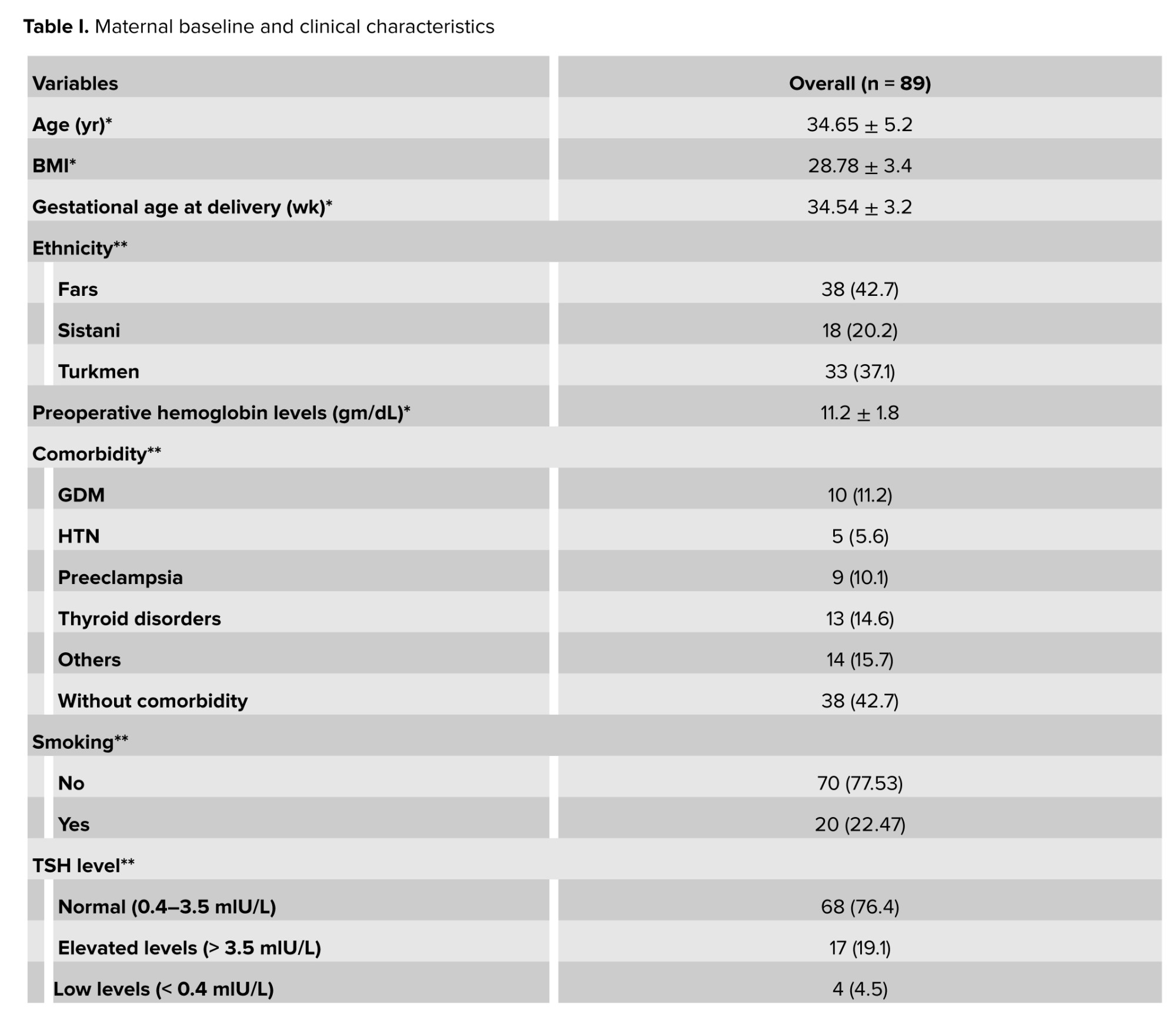
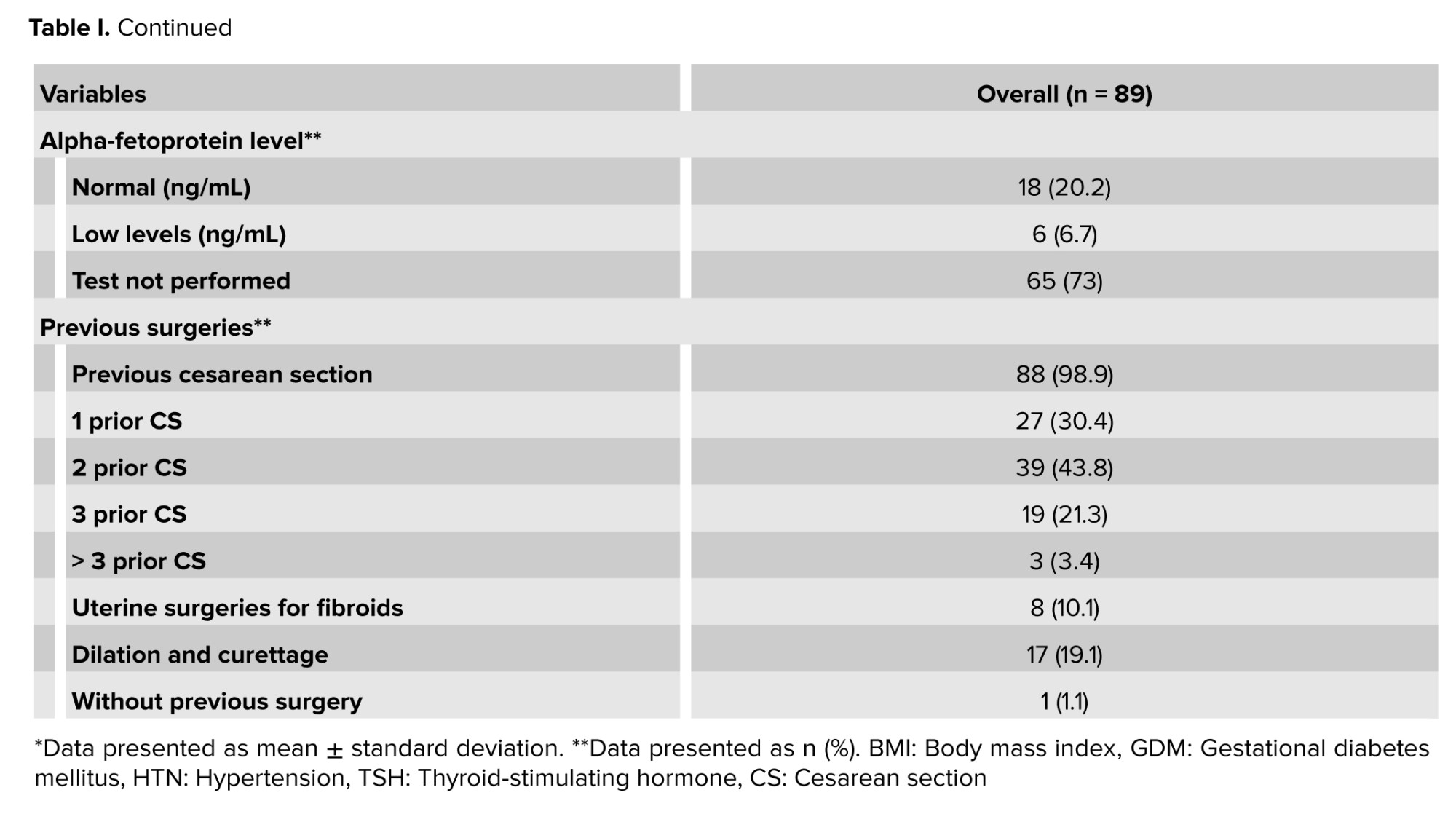
Baseline characteristics, including demographic data, age, BMI, and gestational age, are presented in table I. The study population included 3 ethnic groups, among which Fars had the highest proportion, followed by Turkmen, whereas Sistani had the lowest proportion.
In terms of surgical management, most cases were performed by 2 obstetrician-gynecologists, while the smallest proportion was managed by a complete multidisciplinary surgical team. More than half of the women had at least one comorbidity, with thyroid disorders, gestational diabetes, preeclampsia, and hypertension being the most common. In contrast, a considerable proportion had no underlying conditions. Regarding prior cesarean delivery, women with 2 previous cesarean sections represented the largest group, whereas those with no prior cesarean history formed the smallest group. Hormonal evaluation showed that normal thyroid-stimulating hormone levels were the most frequent finding, while low thyroid-stimulating hormone levels were the least frequent. Among maternal characteristics, 78.7% of mothers reported no tobacco use, while 21.3% had a history of smoking (Table I).
3.2. Mothers’ outcomes
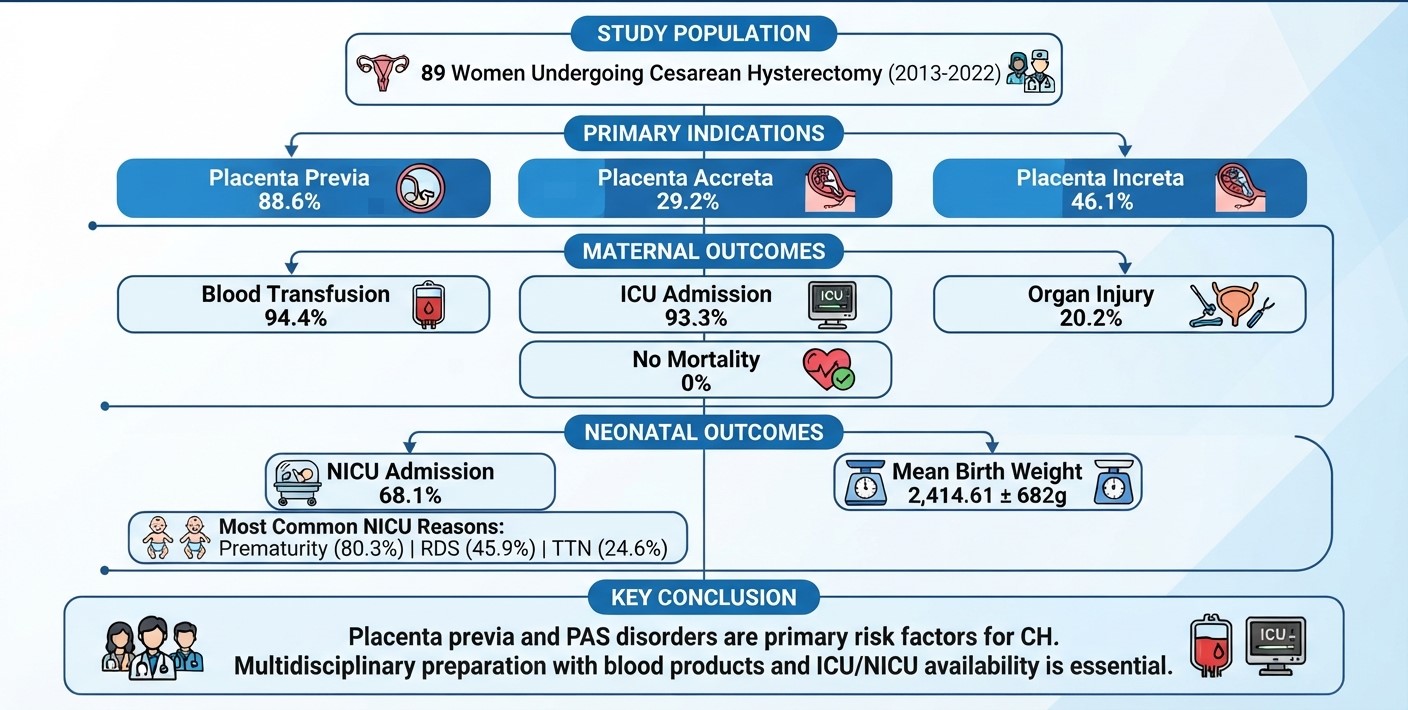
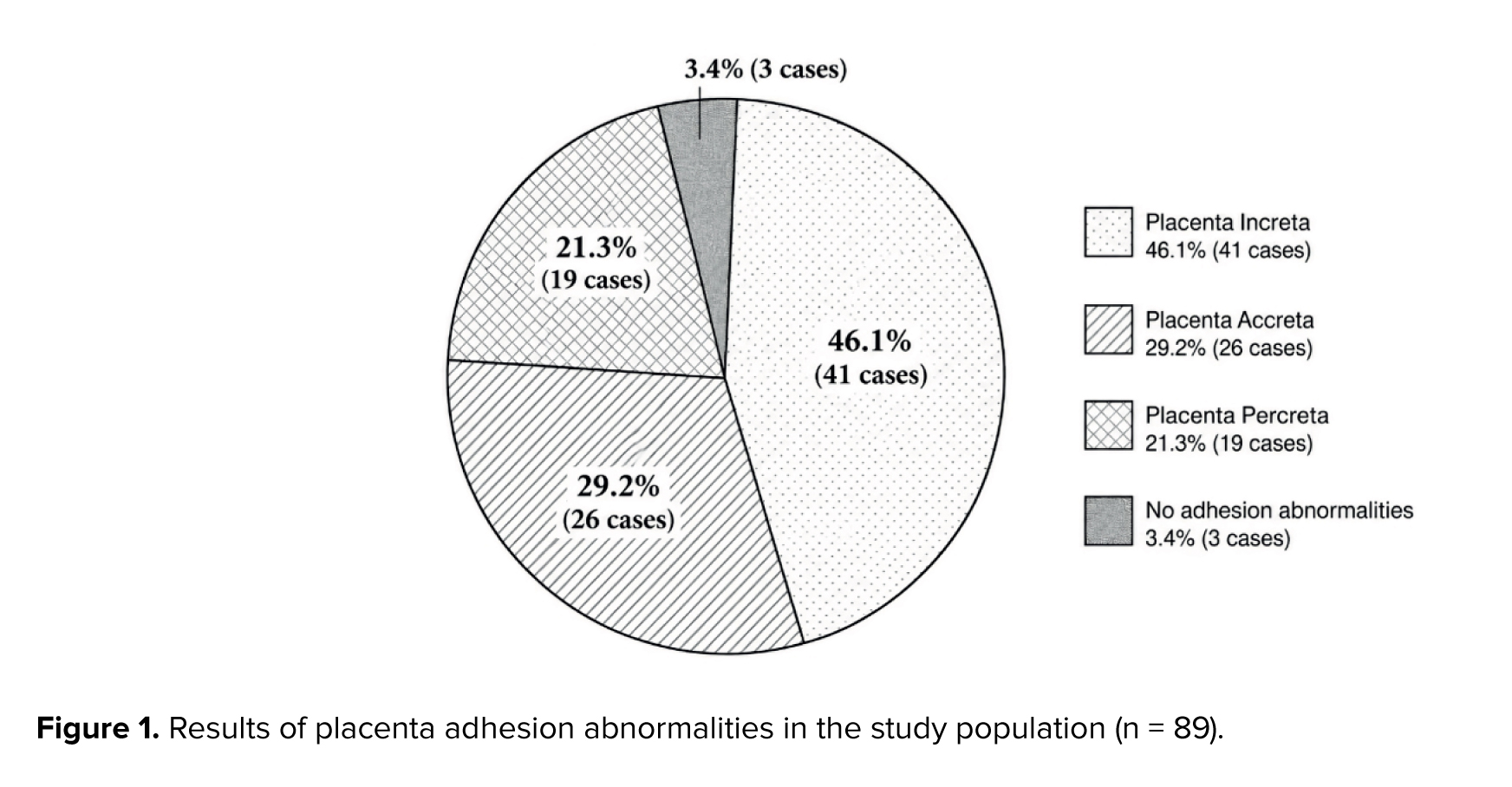
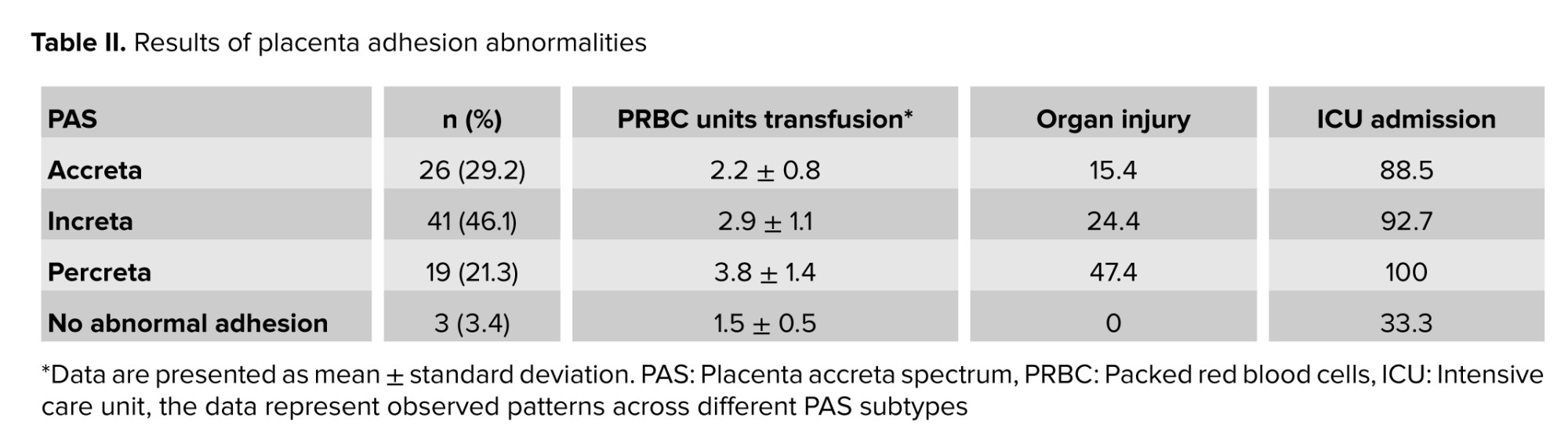
In all 89 cases, the primary indication for cesarean section was placenta previa and PAS disorders. Abnormal placental adhesion was observed in the majority of patients. Among these, placenta increta was the most frequent diagnosis (46.1%), followed by placenta accreta (29.2%) and placenta previa (21.3%). Only a small proportion of cases (3.4%) showed no evidence of abnormal placental adhesion. In these cases, although both ultrasonography and MRI findings were suggestive of placenta increta, the pathological examination did not confirm the presence of PAS (Table II, Figure 1).
Severe intraoperative hemorrhage occurred as a consequence of abnormal placental adherence. Clinical outcomes, including duration of ICU stay, blood transfusion requirements, and the extent of organ injury, varied considerably across the different PAS subtypes (Table II).
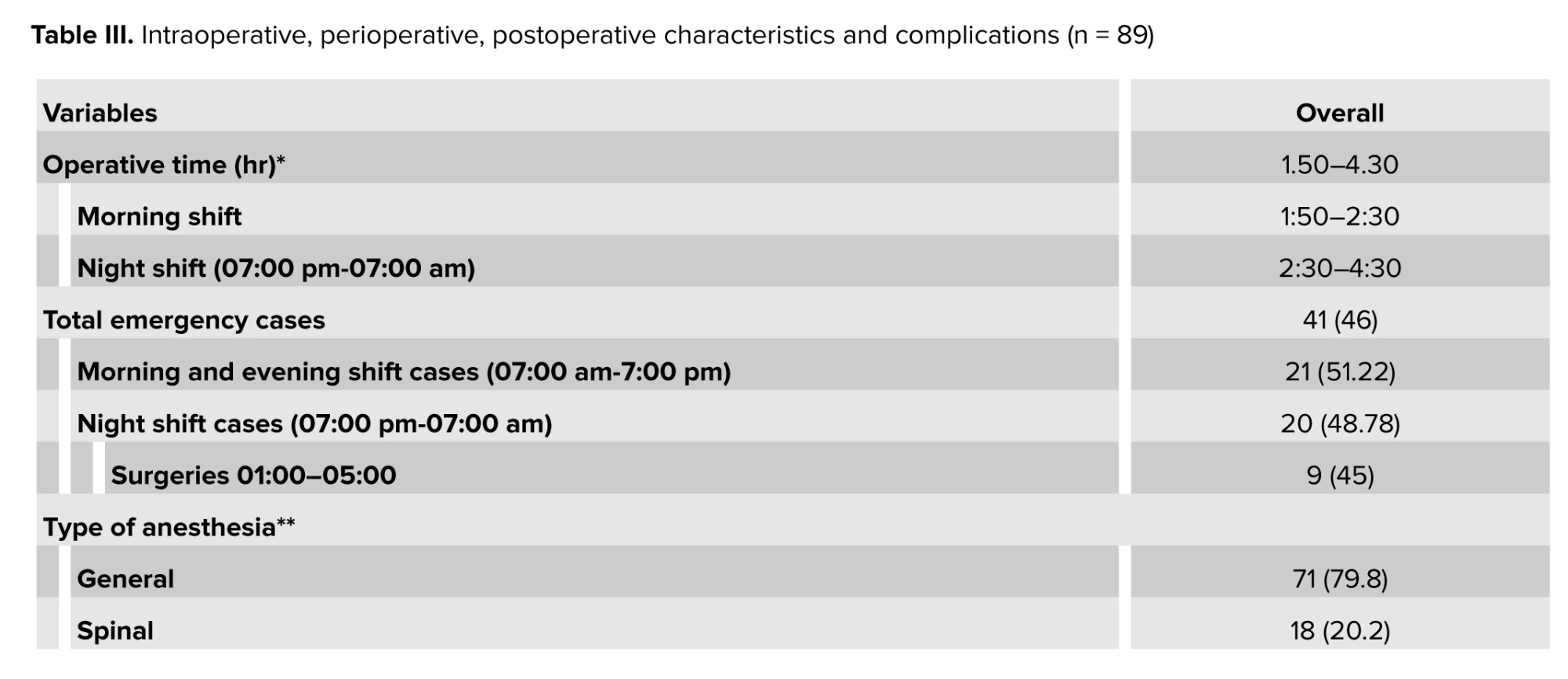
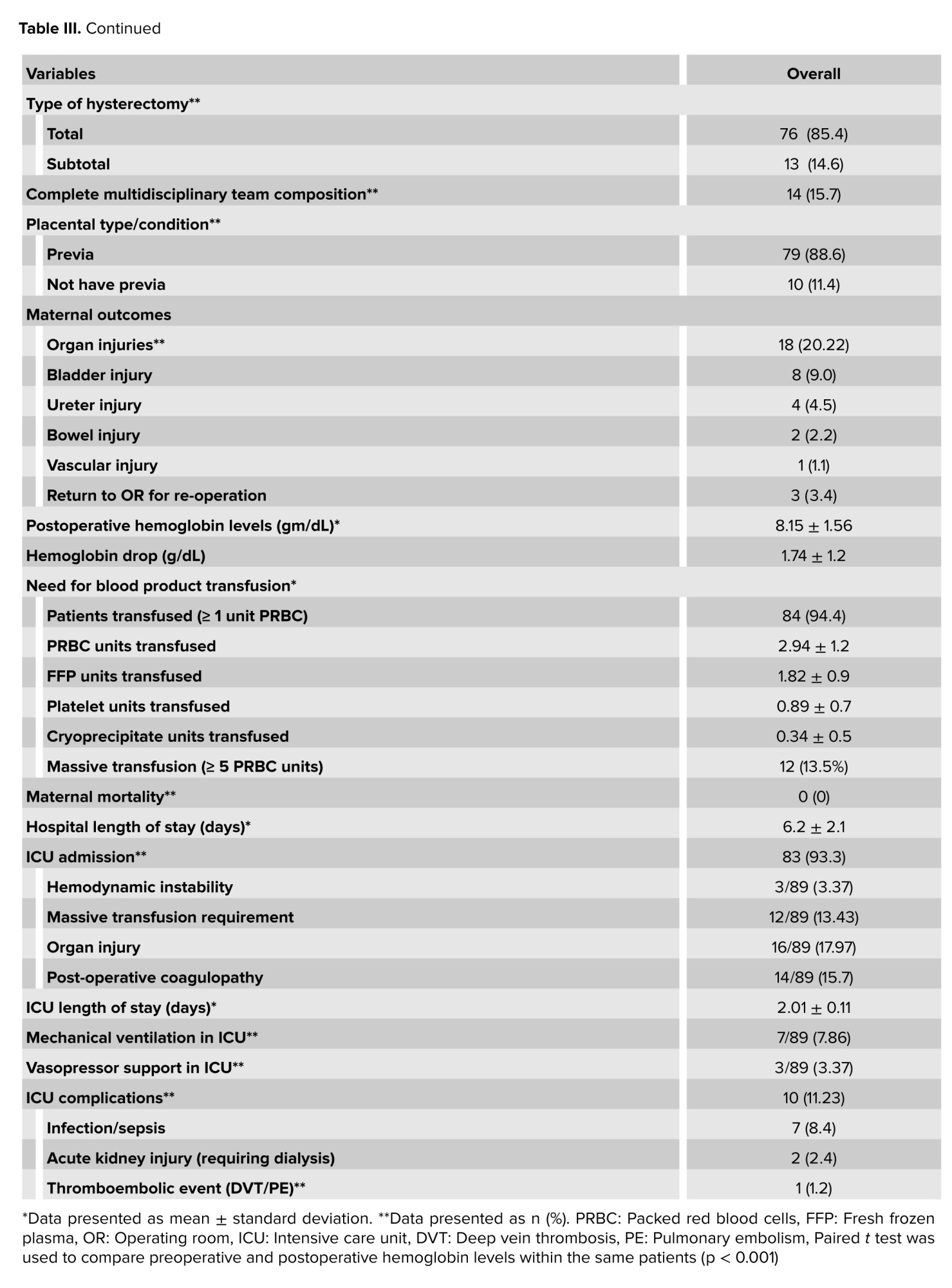
Intraoperative and perioperative characteristics are detailed in table III. Placenta previa was a frequent finding, present in 88.6% of cases, with only 11.4% not having previa. Emergency status was identified in 46.1% of cases. Of these emergencies, nearly half (46%) occurred during the night shift, with a notable portion of those (22.0%) specifically performed between 01:00 and 05:00 am, Night shift was defined as operations performed between 7:00 A.M. and 07:00 P.M. Among the 20 night-shift cases, 9 (45%) were performed between 01:00 and 05:00 am, representing the highest-risk time window due to reduced staffing and fatigue. Surgical approaches included vertical abdominal incisions (78.7%) and pfannenstiel incisions (21.3%), while uterine incision techniques comprised vertical (77.5%) and high transverse (22.5%) incisions.
Among the 89 cases, 14 (15.7%) were performed by a complete multidisciplinary team with an observed mean operative time of approximately 2 hr, compared to approximately 3.5 hr in the remaining 75 cases (84.3%). Bladder injury rates were similar between the 2 groups (12% each). Other outcome parameters including transfusion requirements and organ injury rates across these subgroups are detailed in table III. Given the descriptive nature of this study, these differences are reported as observed patterns only, and no formal inferential statistical comparisons were performed.
Preoperative hemoglobin levels averaged 11.2 ± 1.8 g/dL, dropping significantly to 8.15 ± 1.56 g/dL postoperatively (p < 0.001, paired t test). Intraoperative and perioperative blood product transfusion data, including packed red blood cells (2.94 ± 1.2 units), fresh frozen plasma (1.82 ± 0.9 units), and platelets (0.89 ± 0.7 units), are detailed in table III.
A total of 85.4% (76 cases) underwent total hysterectomy, while 14.6% (13 cases) underwent subtotal hysterectomy. Postoperatively, 93.3% (83 cases) required ICU admission, with a mean ICU stay of 2.01 ± 0.11 days. Intraoperative organ injuries occurred in 20.22% (18 cases) (Table II). The high rate of intraoperative complications underscores the necessity of performing CH as a multidisciplinary team procedure during daytime hours in non-emergency settings, with experienced surgeons present to minimize maternal and fetal morbidity and transfusion requirements.
3.3. Neonatal outcomes
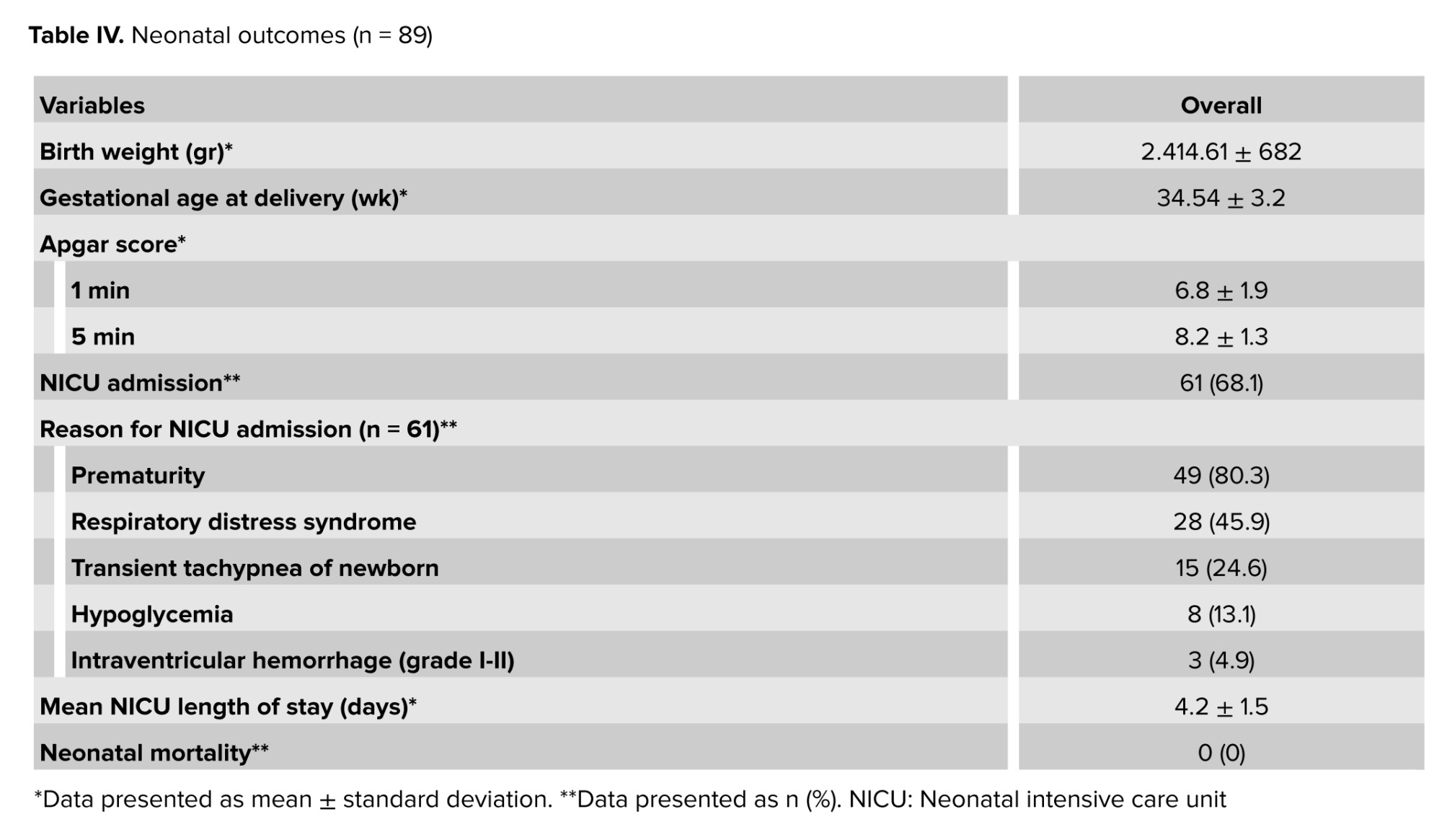
Neonatal outcomes included a mean birth weight of 2550 ± 78.37 gr. NICU admission was required for 68.1% (n = 61) of neonates, with a mean stay of 4.2 ± 1.5 days. Documented neonatal complications among NICU admissions included prematurity (n = 49, 80.3%), respiratory distress syndrome (n = 28, 45.9%), transient tachypnea of newborn (n = 15, 24.6%), hypoglycemia (n = 8, 13.1%), intraventricular hemorrhage grade I-II (n = 3, 4.9%), and suspected sepsis (n = 5, 8.2%). No neonatal mortality was observed. Further comparisons of maternal and neonatal outcomes stratified by surgical timing and team composition are detailed in table IV.
4. Discussion
This study provides an updated characterization of maternal profiles, clinical indications, perioperative outcomes, and neonatal results among women undergoing CH in a tertiary referral center over a period of 9‑yr. Although descriptive in design, the findings contribute valuable regional evidence to the growing global literature on placenta previa and PAS disorders-now recognized as the leading indications for CH worldwide. The mean maternal age in our study (34.65 yr) aligns with previous studies reporting that CH most commonly occurs in women in their mid‑30s (17-19). This age range likely reflects cumulative obstetric exposure rather than age as an independent risk factor. Similarly, the mean BMI (28.78 kg/m²) was slightly elevated but consistent with regional data, and comparable to studies showing no significant association between BMI and the likelihood of CH (19). Previous studies have not found significant differences in BMI between CH participants and controls, suggesting that BMI may not be a reliable risk factor.
Baseline characteristics including BMI, gestational age, ethnicity, and maternal comorbidities are reported descriptively in table I. Given the descriptive nature of this study, no formal assessment of their association with perioperative outcomes was performed, and future analytical studies are needed to evaluate their potential role. However, given the absence of inferential statistical testing, these findings should be interpreted as descriptive observations rather than predictive risk factors. Gestational age averaged 34.54 wk, comparable to prior reports ranging from 33-35 wk (20-22). However, studies have shown that gestational age is not a significant risk factor for CH.
A notable finding was the high prevalence of prior cesarean deliveries, with > 65% of women having 2 or more previous cesareans. This pattern is consistent with global evidence demonstrating a strong dose‑response relationship between repeat cesarean delivery and PAS disorders (5, 6). The International Federation of Gynecology and Obstetrics guidelines similarly identify prior cesarean delivery as the most important modifiable risk factor for PAS (7).
Placenta previa was present in 88.6% of cases, a rate higher than some previous reports but consistent with others that emphasize its role as a major risk factor (2, 22). Among participants with placental adhesion disorders, 46.1% had placenta increta, 29.2% had placenta accreta, and 21.3% had placenta percreta. This highlights the critical role of PAS disorders in the progression to CH (19). Notably, severe intraoperative hemorrhage, ICU stay, blood transfusion requirements, and organ injury all differed significantly across the PAS spectrum: patients with placenta percreta required the highest mean PRBC units (3.8 ± 1.4) and had a 47.4% organ injury rate, whereas those without adhesion abnormalities had the lowest transfusion needs (1.5 ± 0.5 units) and no organ injuries. These findings underscore the graded severity of PAS disorders in determining maternal morbidity.
Maternal comorbidities included gestational diabetes (11.2%), hypertension (6.5%), preeclampsia (10.1%), and thyroid disorders (14.6%), which were observed at rates similar to or slightly higher than those reported in earlier studies (16). These variations may reflect differences in population health profiles (19).
Preoperative hemoglobin levels dropped significantly postoperatively, consistent with the substantial intraoperative blood loss expected in CH cases. The majority of patients (94.4%) required blood product transfusion, with packed red blood cells being the most frequently administered component. These transfusion requirements were comparatively lower than those reported in a previous Nordic study, which found that 72% of patients required 4 or more units of PRBC (19), suggesting that early multidisciplinary intervention and planned surgical timing in our cohort may have contributed to reduced transfusion needs. These findings underscore the importance of preoperative blood product preparation and patient blood management strategies in all planned CH cases. Additionally, the implications of blood transfusions on patient outcomes should be noted. The previous research reported that women who required blood transfusions during total laparoscopic hysterectomy had longer hospital stays, higher costs, and increased mortality rates, underscoring the need to minimize transfusion requirements through optimal blood management strategies (23).
A key finding from our analysis was the marked difference in outcomes based on surgical timing and team composition. Among emergency cases, those performed during the midnight shift demonstrated notably higher blood product transfusion requirements compared to daytime procedures. Conversely, cases managed by a complete multidisciplinary team exhibited lower rates of organ injury, reduced transfusion needs, and shorter operative times. Although bladder injury rates were similar between groups, the overall lower morbidity observed in planned daytime surgeries supports scheduling CH during daytime hours whenever feasible. These findings are consistent with a comparative study that evaluated emergency vs. electively scheduled cesarean-hysterectomy for PAS disorders managed by a multidisciplinary team. A study reported that emergency birth was associated with higher estimated blood loss (2772 vs. 1561 mL, p < 0.001), higher rates of coagulopathy (40% vs. 6%, p < 0.001), and increased bladder injury (44% vs. 13%, p < 0.001), with emergency status remaining an independent risk factor for blood transfusion (aOR: 4.9), coagulopathy (aOR: 16.4), and urinary tract injury (aOR: 6.96) after multivariable adjustment (24).
The majority of participants (85.4%) underwent total hysterectomy, while 14.6% underwent subtotal hysterectomy. This distribution differs from a previous report from Iran, where 86.4% of cases were subtotal hysterectomies (25). However, prior studies have shown no significant differences in complications between total and subtotal procedures (19, 25).
ICU admission was required in 93.3% of cases in this study, with an average length of stay of 2.01 days, a higher rate than previously reported (22, 25). Organ injury occurred in 27% of cases, consistent with previously reported rates of bladder and ureteral injury in PAS surgery (19). Our findings reinforce the importance of multidisciplinary surgical teams, particularly the involvement of urologists in cases of suspected increta or percreta. Consistent with findings from high-volume centers, the implementation of a multidisciplinary care pathway has been shown to decrease operative duration, mitigate perioperative blood loss, and lower the rate of urologic sequelae (7, 14).
The mean neonatal birth weight was 2414.61 gr, and 68.1% of neonates required NICU admission. This rate is higher than that reported in a comparable Iranian cohort of PAS-related CH cases (21), likely reflecting the higher proportion of preterm deliveries and emergency procedures in the present study. These findings are consistent with evidence from Nguyen et al., who demonstrated that emergency cesarean section in PAS cases was independently associated with higher rates of NICU admission and longer NICU stay compared to planned procedures (26). These findings underline the critical care needs for neonates born via CH. Our analysis confirmed that women with 2 or more prior cesarean deliveries had significantly higher odds of NICU admission for their neonates. This supports existing evidence that repeated cesareans increase the risk of PAS and adverse neonatal outcomes. These findings emphasize the importance of careful monitoring and counseling in women with multiple prior cesareans, particularly regarding the risks of abnormal placentation and the potential need for CH. The data indicate that the majority of mothers (78.7%) were non‑smokers, consistent with national epidemiological trends.
4.1. Strengths and Limitations
This study was descriptive and cross-sectional in design, and no inferential statistical comparisons between subgroups were intended or performed. Observed numerical differences between groups, such as operative time and transfusion volumes by surgical timing and team composition are reported as descriptive observations only and should not be interpreted as statistically significant associations. The absence of a control group, non-standardized transfusion thresholds and ICU admission criteria based on clinical judgment, and the relatively small sample size constrained by the rarity of CH limit the generalizability of findings. Future prospective studies with larger comparative cohorts, standardized protocols, and appropriate inferential analyses are needed to validate these observed patterns and identify true predictive risk factors.
4.2. Recommendations
2.5 Ethical Considerations
This study was approved by the ethics committee of Golestan University of Medical Sciences, Gorgan, Iran (Code: IR.GOUMS.REC.1398.201). All data were de-identified before analysis, and confidentiality was maintained in a password-protected database.
2.6. Statistical Analysis
Data were analyzed using Statistical Package for the Social Sciences software (SPSS, version 22.0 for Windows; SPSS Inc., Chicago, IL). Continuous variables were summarized as mean ± standard deviation or median (interquartile range), as appropriate, and categorical variables as frequencies and percentages. Paired t test was used to compare preoperative and postoperative hemoglobin levels after assessment of normality; otherwise, the Wilcoxon signed-rank test was applied. As this study was descriptive in nature, no multivariable regression analyses were conducted. A 2-sided p < 0.05 was considered statistically significant. As this study was descriptive in nature, no multivariable regression analyses were conducted.
3. Results
3.1. Participants
A total of 105 women who underwent CH at Sayad Shirazi hospital, Gorgan, Iran, from January 2013-December 2022 were screened for study eligibility. Of these, 16 women were excluded due to incomplete records (n = 9) or missing follow-up data (n = 7). Consequently, 89 women met the inclusion criteria and were included in the final analysis.
Baseline characteristics, including demographic data, age, BMI, and gestational age, are presented in table I. The study population included 3 ethnic groups, among which Fars had the highest proportion, followed by Turkmen, whereas Sistani had the lowest proportion.
In terms of surgical management, most cases were performed by 2 obstetrician-gynecologists, while the smallest proportion was managed by a complete multidisciplinary surgical team. More than half of the women had at least one comorbidity, with thyroid disorders, gestational diabetes, preeclampsia, and hypertension being the most common. In contrast, a considerable proportion had no underlying conditions. Regarding prior cesarean delivery, women with 2 previous cesarean sections represented the largest group, whereas those with no prior cesarean history formed the smallest group. Hormonal evaluation showed that normal thyroid-stimulating hormone levels were the most frequent finding, while low thyroid-stimulating hormone levels were the least frequent. Among maternal characteristics, 78.7% of mothers reported no tobacco use, while 21.3% had a history of smoking (Table I).
3.2. Mothers’ outcomes
In all 89 cases, the primary indication for cesarean section was placenta previa and PAS disorders. Abnormal placental adhesion was observed in the majority of patients. Among these, placenta increta was the most frequent diagnosis (46.1%), followed by placenta accreta (29.2%) and placenta previa (21.3%). Only a small proportion of cases (3.4%) showed no evidence of abnormal placental adhesion. In these cases, although both ultrasonography and MRI findings were suggestive of placenta increta, the pathological examination did not confirm the presence of PAS (Table II, Figure 1).
Severe intraoperative hemorrhage occurred as a consequence of abnormal placental adherence. Clinical outcomes, including duration of ICU stay, blood transfusion requirements, and the extent of organ injury, varied considerably across the different PAS subtypes (Table II).
Intraoperative and perioperative characteristics are detailed in table III. Placenta previa was a frequent finding, present in 88.6% of cases, with only 11.4% not having previa. Emergency status was identified in 46.1% of cases. Of these emergencies, nearly half (46%) occurred during the night shift, with a notable portion of those (22.0%) specifically performed between 01:00 and 05:00 am, Night shift was defined as operations performed between 7:00 A.M. and 07:00 P.M. Among the 20 night-shift cases, 9 (45%) were performed between 01:00 and 05:00 am, representing the highest-risk time window due to reduced staffing and fatigue. Surgical approaches included vertical abdominal incisions (78.7%) and pfannenstiel incisions (21.3%), while uterine incision techniques comprised vertical (77.5%) and high transverse (22.5%) incisions.
Among the 89 cases, 14 (15.7%) were performed by a complete multidisciplinary team with an observed mean operative time of approximately 2 hr, compared to approximately 3.5 hr in the remaining 75 cases (84.3%). Bladder injury rates were similar between the 2 groups (12% each). Other outcome parameters including transfusion requirements and organ injury rates across these subgroups are detailed in table III. Given the descriptive nature of this study, these differences are reported as observed patterns only, and no formal inferential statistical comparisons were performed.
Preoperative hemoglobin levels averaged 11.2 ± 1.8 g/dL, dropping significantly to 8.15 ± 1.56 g/dL postoperatively (p < 0.001, paired t test). Intraoperative and perioperative blood product transfusion data, including packed red blood cells (2.94 ± 1.2 units), fresh frozen plasma (1.82 ± 0.9 units), and platelets (0.89 ± 0.7 units), are detailed in table III.
A total of 85.4% (76 cases) underwent total hysterectomy, while 14.6% (13 cases) underwent subtotal hysterectomy. Postoperatively, 93.3% (83 cases) required ICU admission, with a mean ICU stay of 2.01 ± 0.11 days. Intraoperative organ injuries occurred in 20.22% (18 cases) (Table II). The high rate of intraoperative complications underscores the necessity of performing CH as a multidisciplinary team procedure during daytime hours in non-emergency settings, with experienced surgeons present to minimize maternal and fetal morbidity and transfusion requirements.
3.3. Neonatal outcomes
Neonatal outcomes included a mean birth weight of 2550 ± 78.37 gr. NICU admission was required for 68.1% (n = 61) of neonates, with a mean stay of 4.2 ± 1.5 days. Documented neonatal complications among NICU admissions included prematurity (n = 49, 80.3%), respiratory distress syndrome (n = 28, 45.9%), transient tachypnea of newborn (n = 15, 24.6%), hypoglycemia (n = 8, 13.1%), intraventricular hemorrhage grade I-II (n = 3, 4.9%), and suspected sepsis (n = 5, 8.2%). No neonatal mortality was observed. Further comparisons of maternal and neonatal outcomes stratified by surgical timing and team composition are detailed in table IV.
4. Discussion
This study provides an updated characterization of maternal profiles, clinical indications, perioperative outcomes, and neonatal results among women undergoing CH in a tertiary referral center over a period of 9‑yr. Although descriptive in design, the findings contribute valuable regional evidence to the growing global literature on placenta previa and PAS disorders-now recognized as the leading indications for CH worldwide. The mean maternal age in our study (34.65 yr) aligns with previous studies reporting that CH most commonly occurs in women in their mid‑30s (17-19). This age range likely reflects cumulative obstetric exposure rather than age as an independent risk factor. Similarly, the mean BMI (28.78 kg/m²) was slightly elevated but consistent with regional data, and comparable to studies showing no significant association between BMI and the likelihood of CH (19). Previous studies have not found significant differences in BMI between CH participants and controls, suggesting that BMI may not be a reliable risk factor.
Baseline characteristics including BMI, gestational age, ethnicity, and maternal comorbidities are reported descriptively in table I. Given the descriptive nature of this study, no formal assessment of their association with perioperative outcomes was performed, and future analytical studies are needed to evaluate their potential role. However, given the absence of inferential statistical testing, these findings should be interpreted as descriptive observations rather than predictive risk factors. Gestational age averaged 34.54 wk, comparable to prior reports ranging from 33-35 wk (20-22). However, studies have shown that gestational age is not a significant risk factor for CH.
A notable finding was the high prevalence of prior cesarean deliveries, with > 65% of women having 2 or more previous cesareans. This pattern is consistent with global evidence demonstrating a strong dose‑response relationship between repeat cesarean delivery and PAS disorders (5, 6). The International Federation of Gynecology and Obstetrics guidelines similarly identify prior cesarean delivery as the most important modifiable risk factor for PAS (7).
Placenta previa was present in 88.6% of cases, a rate higher than some previous reports but consistent with others that emphasize its role as a major risk factor (2, 22). Among participants with placental adhesion disorders, 46.1% had placenta increta, 29.2% had placenta accreta, and 21.3% had placenta percreta. This highlights the critical role of PAS disorders in the progression to CH (19). Notably, severe intraoperative hemorrhage, ICU stay, blood transfusion requirements, and organ injury all differed significantly across the PAS spectrum: patients with placenta percreta required the highest mean PRBC units (3.8 ± 1.4) and had a 47.4% organ injury rate, whereas those without adhesion abnormalities had the lowest transfusion needs (1.5 ± 0.5 units) and no organ injuries. These findings underscore the graded severity of PAS disorders in determining maternal morbidity.
Maternal comorbidities included gestational diabetes (11.2%), hypertension (6.5%), preeclampsia (10.1%), and thyroid disorders (14.6%), which were observed at rates similar to or slightly higher than those reported in earlier studies (16). These variations may reflect differences in population health profiles (19).
Preoperative hemoglobin levels dropped significantly postoperatively, consistent with the substantial intraoperative blood loss expected in CH cases. The majority of patients (94.4%) required blood product transfusion, with packed red blood cells being the most frequently administered component. These transfusion requirements were comparatively lower than those reported in a previous Nordic study, which found that 72% of patients required 4 or more units of PRBC (19), suggesting that early multidisciplinary intervention and planned surgical timing in our cohort may have contributed to reduced transfusion needs. These findings underscore the importance of preoperative blood product preparation and patient blood management strategies in all planned CH cases. Additionally, the implications of blood transfusions on patient outcomes should be noted. The previous research reported that women who required blood transfusions during total laparoscopic hysterectomy had longer hospital stays, higher costs, and increased mortality rates, underscoring the need to minimize transfusion requirements through optimal blood management strategies (23).
A key finding from our analysis was the marked difference in outcomes based on surgical timing and team composition. Among emergency cases, those performed during the midnight shift demonstrated notably higher blood product transfusion requirements compared to daytime procedures. Conversely, cases managed by a complete multidisciplinary team exhibited lower rates of organ injury, reduced transfusion needs, and shorter operative times. Although bladder injury rates were similar between groups, the overall lower morbidity observed in planned daytime surgeries supports scheduling CH during daytime hours whenever feasible. These findings are consistent with a comparative study that evaluated emergency vs. electively scheduled cesarean-hysterectomy for PAS disorders managed by a multidisciplinary team. A study reported that emergency birth was associated with higher estimated blood loss (2772 vs. 1561 mL, p < 0.001), higher rates of coagulopathy (40% vs. 6%, p < 0.001), and increased bladder injury (44% vs. 13%, p < 0.001), with emergency status remaining an independent risk factor for blood transfusion (aOR: 4.9), coagulopathy (aOR: 16.4), and urinary tract injury (aOR: 6.96) after multivariable adjustment (24).
The majority of participants (85.4%) underwent total hysterectomy, while 14.6% underwent subtotal hysterectomy. This distribution differs from a previous report from Iran, where 86.4% of cases were subtotal hysterectomies (25). However, prior studies have shown no significant differences in complications between total and subtotal procedures (19, 25).
ICU admission was required in 93.3% of cases in this study, with an average length of stay of 2.01 days, a higher rate than previously reported (22, 25). Organ injury occurred in 27% of cases, consistent with previously reported rates of bladder and ureteral injury in PAS surgery (19). Our findings reinforce the importance of multidisciplinary surgical teams, particularly the involvement of urologists in cases of suspected increta or percreta. Consistent with findings from high-volume centers, the implementation of a multidisciplinary care pathway has been shown to decrease operative duration, mitigate perioperative blood loss, and lower the rate of urologic sequelae (7, 14).
The mean neonatal birth weight was 2414.61 gr, and 68.1% of neonates required NICU admission. This rate is higher than that reported in a comparable Iranian cohort of PAS-related CH cases (21), likely reflecting the higher proportion of preterm deliveries and emergency procedures in the present study. These findings are consistent with evidence from Nguyen et al., who demonstrated that emergency cesarean section in PAS cases was independently associated with higher rates of NICU admission and longer NICU stay compared to planned procedures (26). These findings underline the critical care needs for neonates born via CH. Our analysis confirmed that women with 2 or more prior cesarean deliveries had significantly higher odds of NICU admission for their neonates. This supports existing evidence that repeated cesareans increase the risk of PAS and adverse neonatal outcomes. These findings emphasize the importance of careful monitoring and counseling in women with multiple prior cesareans, particularly regarding the risks of abnormal placentation and the potential need for CH. The data indicate that the majority of mothers (78.7%) were non‑smokers, consistent with national epidemiological trends.
4.1. Strengths and Limitations
This study was descriptive and cross-sectional in design, and no inferential statistical comparisons between subgroups were intended or performed. Observed numerical differences between groups, such as operative time and transfusion volumes by surgical timing and team composition are reported as descriptive observations only and should not be interpreted as statistically significant associations. The absence of a control group, non-standardized transfusion thresholds and ICU admission criteria based on clinical judgment, and the relatively small sample size constrained by the rarity of CH limit the generalizability of findings. Future prospective studies with larger comparative cohorts, standardized protocols, and appropriate inferential analyses are needed to validate these observed patterns and identify true predictive risk factors.
4.2. Recommendations
- Establishment of a multidisciplinary team including experienced obstetricians, anesthesiologists, urologists, neonatologists, and specialized nursing staff for all planned and emergent CH cases to optimize surgical outcomes and minimize complications.
- Early detection and management of placental adhesion disorders through advanced imaging and antenatal care.
- Ensuring the availability of blood products (especially packed red blood cells, fresh frozen plasma, and platelets) for all CH cases, with tranexamic acid administration protocols for hemorrhage control.
- Allocating ICU and NICU beds for high-risk deliveries to minimize complications.
- Future studies with larger sample sizes and appropriate control groups are necessary to identify true risk factors, evaluate preventive strategies, and compare outcomes across different surgical approaches.
5. Conclusion
This study characterizes the clinical profile of CH in a tertiary referral center over a period of 9 yr, highlighting placenta previa and PAC disorders, particularly in women with multiple prior cesarean deliveries, as the predominant indications. The findings underscore the high maternal morbidity associated with this procedure, including substantial transfusion requirements, frequent ICU admission, and a notable rate of intraoperative organ injury, as well as significant neonatal morbidity driven primarily by prematurity. A key clinical observation was that planned daytime procedures performed by a complete multidisciplinary team were associated with more favorable outcomes compared to emergency night-shift surgeries, reinforcing the value of antenatal diagnosis, structured preparation, and coordinated multidisciplinary care.
As a descriptive study without a control group, these findings reflect observed clinical patterns rather than causal associations. They nonetheless provide a useful regional benchmark and support the need for standardized protocols, adequate resource allocation, and future prospective comparative research to validate risk factors and optimize management strategies for CH.
Data Availability
Data supporting the findings of this study are available upon reasonable request from the corresponding author. For ethical and privacy reasons, access to case records is restricted and cannot be made publicly available.
Author Contributions
F. Ahmadi: Supervised the study throughout its development, guided the interpretation of findings, contributed to the conception and design of the study, and approved the final version of the manuscript. B. Behzadi: Collected and organized clinical data, performed initial data analysis, drafted the manuscript, and approved the final version. M. Tajaldini: Assisted in statistical analysis, contributed to literature review and manuscript editing, and approved the final version.
Acknowledgements
The authors would like to express their sincere gratitude to Golestan University of Medical Sciences, Gorgan, Iran and its affiliated hospitals for providing access to the clinical data and supporting the implementation of this research was financially supported by Golestan University of Medical Sciences, Gorgan, Iran (Grant no.: 287). The funding source had no role in study design, data collection, analysis, interpretation, or decision to submit the manuscript for publication. The authors used ChatGPT (OpenAI, GPT-4 version) and Grammarly (version 8.937.0) for language editing, grammar checking, and structural organization of the manuscript. All scientific content, data interpretation, and conclusions were developed independently by the authors.
Conflict of Interest
The authors declare that there is no conflict of interest.
Type of Study: Original Article |
Subject:
Reproductive Anatomy
Send email to the article author
| Rights and permissions | |
 |
This work is licensed under a Creative Commons Attribution-NonCommercial 4.0 International License. |